
Development freeze for lands on Peterborough’s outskirts to remain
Peterborough Currents email newsletter for December 14, 2023
You’re reading the December 14, 2023 edition of the Peterborough Currents email newsletter. To receive our email newsletters straight to your inbox, sign up here.
Lands on the outskirts of Peterborough that the Ford government had tried to open up for housing construction will remain off-limits to development until 2051, after Mayor Jeff Leal decided not to intervene in the matter.
Allowing development on the edges of town was one of 61 changes to Peterborough’s official plan that the province imposed on the city last spring but later abandoned in the wake of the Greenbelt land swap scandal.
Housing minister Paul Calandra gave Leal the power to unilaterally reinstate any of the official plan changes, without the approval of council, by sending a request to the province by Dec. 7.
In a letter to Calandra’s deputy minister on Dec. 5, Leal requested to bring back a number of those provincial amendments – but not the provisions to allow development on the urban fringe, meaning the city’s restrictions on sprawl remain.
Before its flip-flop, the province had also nixed the city’s plan to allow industrial development in the Coldsprings planning area, south of Highway 115 and east of the Otonabee River. The province sought to reserve those lands for housing at the request of developer AON Inc.
Leal didn’t agree with that decision either, according to the letter, which stressed Peterborough’s need for more “employment land” for new industry to set up on. “At present, the city has insufficient employment land opportunities to accommodate both immediate and longer-term needs,” it states. And so, the mayor wants to stick to the city’s policy of designating part of the Coldsprings planning area for “employment land and compatible development to help meet the city’s land needs.”
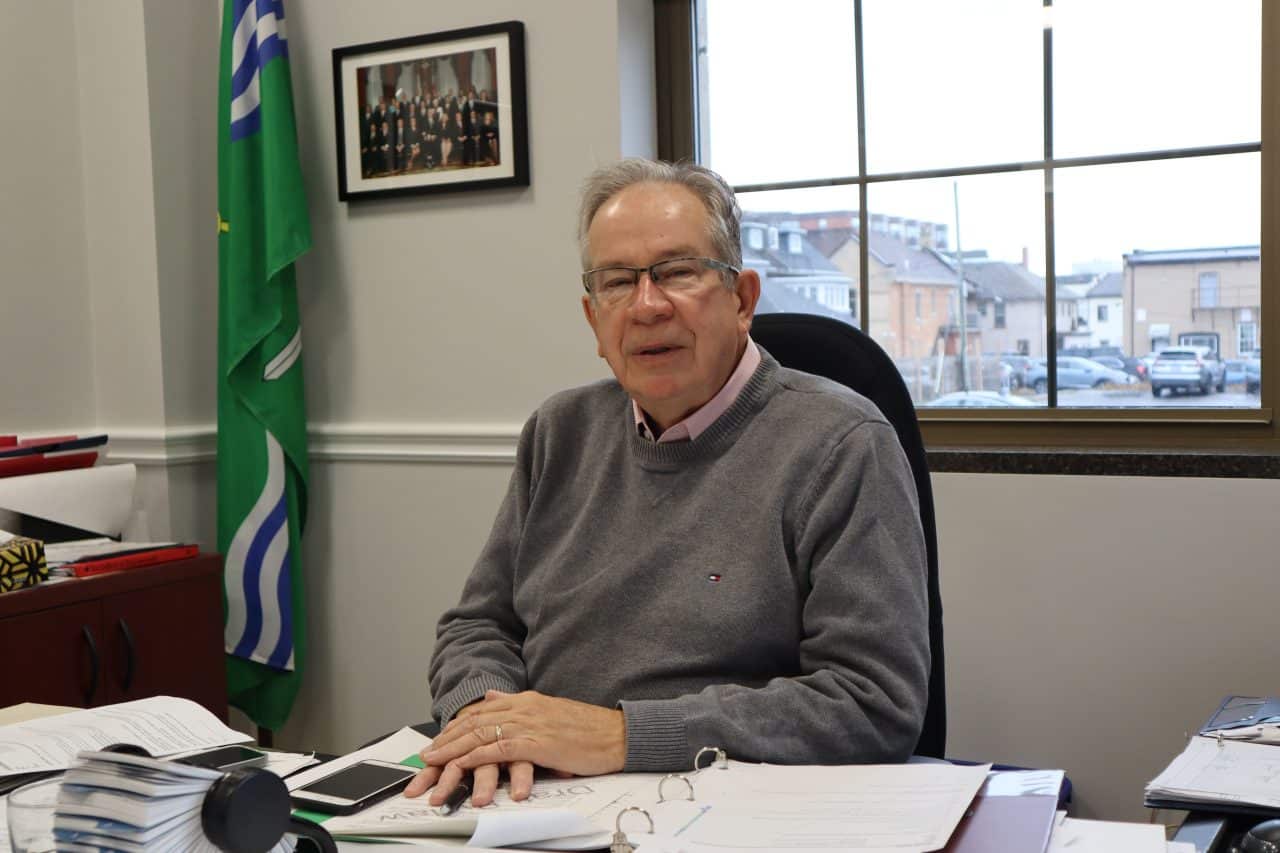
However, Leal agreed with the province that the official plan should no longer include a specific target for how much land in the Coldsprings area to set aside for industrial use (the intention had been to designate approximately 80 hectares as employment lands).
Among the official plan changes the mayor does want to keep is the province’s decision to scrap an eight-storey height limit on new downtown buildings. Lifting that cap will help reach the city’s target of building 4,700 homes by 2031, according to Leal. However, his letter states that height restrictions could still be imposed through new zoning rules or other means.
Leal also accepted a number of official plan modifications that the city wouldn’t be able to enforce anyway, as they contradict the Ford’s government’s Bill 23, the More Homes Built Faster Act. For example, under Bill 23 the city no longer has the power to control what the outside of buildings look like, because elements such as architectural style and landscaping can no longer be considered in a part of the planning process called site plan control.
100 years of the Williams Treaties: Anishinaabeg perspectives
Last month marked the 100-year anniversary of the Williams Treaties, the legal “agreement” that turned over more than 20,000 square kilometres of land to settlers and deprived local Indigenous people of their hunting and fishing rights.
Two professors at Trent University’s Chanie Wenjack School for Indigenous Studies, Jackson Pind and Jack Hoggarth, have written an article about the ongoing legacy of the Williams Treaties for local First Nations. You can read it here.
Other stories to watch
- Local a cappella chorus group The Aces of Harmony will be out and about serenading downtown shoppers tonight during the DBIA’s late-night shopping event. Over 35 businesses are participating and will be keeping their doors open until 7 p.m.
- Nearly one-in-five local households are food insecure, according to a new report from Peterborough Public Health. It’s the highest number ever recorded in our community, the report states. The report recommends income-based solutions such as boosting social assistance rates, raising the minimum wage, and lowering income tax for people on low incomes.
- Peterborough Action for Tiny Homes (PATH) has launched a new initiative, KawarthaNOW reports. The group has started a clothing and supply depot for people experiencing homelessness at 385 Lansdowne Street. Meanwhile, PATH continues to work toward opening a tiny home community at the property as well.
- City councillors finalized the 2024 budget on Monday night. They made a couple of last minute changes to the budget, including raising transit fares from $2.75 to $3.00.
Thanks for reading the Peterborough Currents email newsletter! Here’s where you can sign up to have these sent straight to your inbox.
Author

Related Articles
So long, Jethro’s
The live venue with an expiry date
