
Places for Pollinators
Turning needy lawns into gardens that attract butterflies
You’re reading the June 22, 2026 edition of the Peterborough Currents email newsletter. To receive our email newsletters straight to your inbox, sign up here.
Hi, I’m Currents co-editor David Tough. Welcome to your weekly Peterborough Currents email newsletter!
This week I talked to some friends about their gardens, and had some thoughts of my own about the process of turning neglected and needy lawns into places for pollinators. The monarch butterfly, a high profile pollinator and also a potent grief, plays a starring role, along with its principal food source: milkweed.
Let’s get right to it!
Places for Pollinators
by David Tough
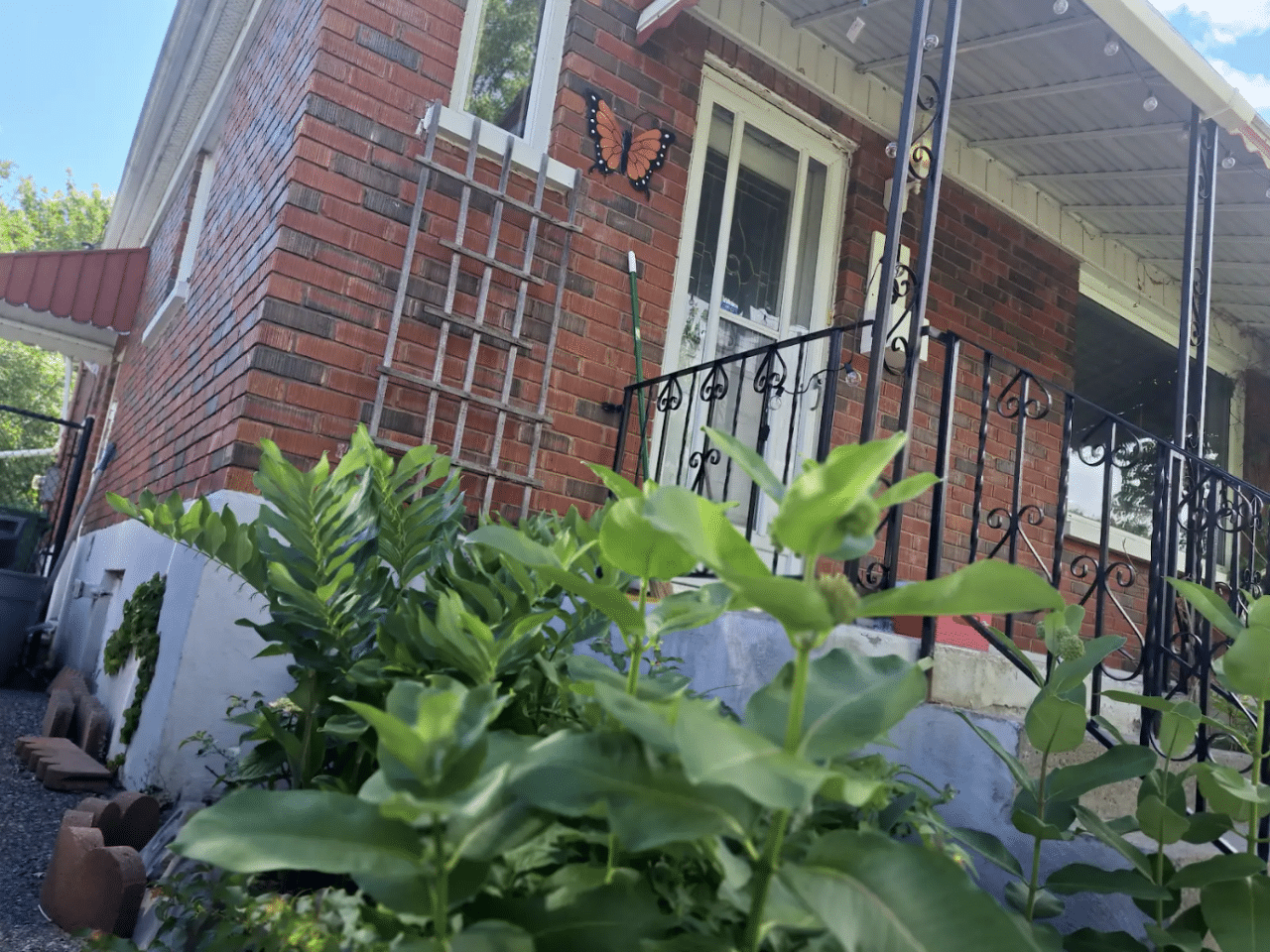
I dug out all the grass on a sad little patch of lawn between the driveway and the walkway to our front door a few years ago, and planted some native plants my partner selected. We would scatter milkweed seeds in the area every fall, and now that little garden patch is almost entirely milkweed.
Milkweed plays a key role in the life cycle of the most popular of pollinators, the monarch butterfly, and is often the plant people picture when they think of the relationship between plants and insects. It grows wild all over Peterborough, and is often seen on vacant lots and unkempt lawns, but we had been trying for several seasons to get any milkweed going in our garden at all, before we finally hit the jackpot this year.
We don’t strictly speaking have a pollinator garden. Much of our garden is a memorial to our son, who died in 2022. In addition to their status as charismatic microfauna of sustainable gardening, butterflies are also symbols of grief, and especially of child loss. We’ve been gifted a lot of milkweed seeds over the years. The large decorative butterfly beside our front door is doing double duty.
A lot of people are tearing up struggling lawns and replacing them with decorative gardens, and planting native plants to attract pollinators. The tidy monoculture of the green lawn is often oversensitive to weird weather, and requires a lot of inputs. As that aesthetic loses its appeal, it’s comparatively easy to swap swathes of grass for gardens that double as habitat and logistical support to insects, notably bees and migrating butterflies.
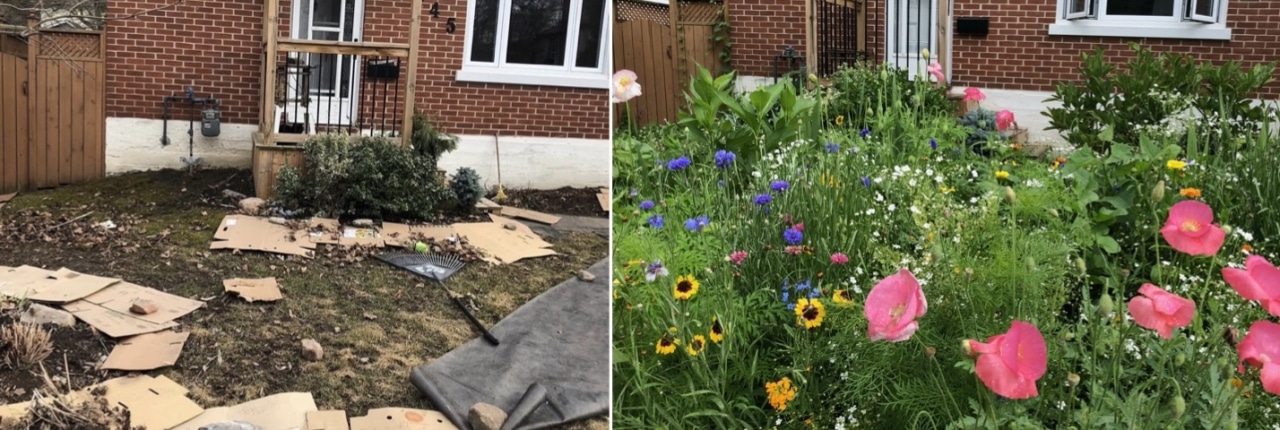
The front lawn of Sue Newberry’s place in East City was not doing well when she and her family moved in a few years ago, but with help from some large pieces of cardboard and some transplants from family members’ gardens, they transformed it into a lush landscape that attracts monarchs every year.
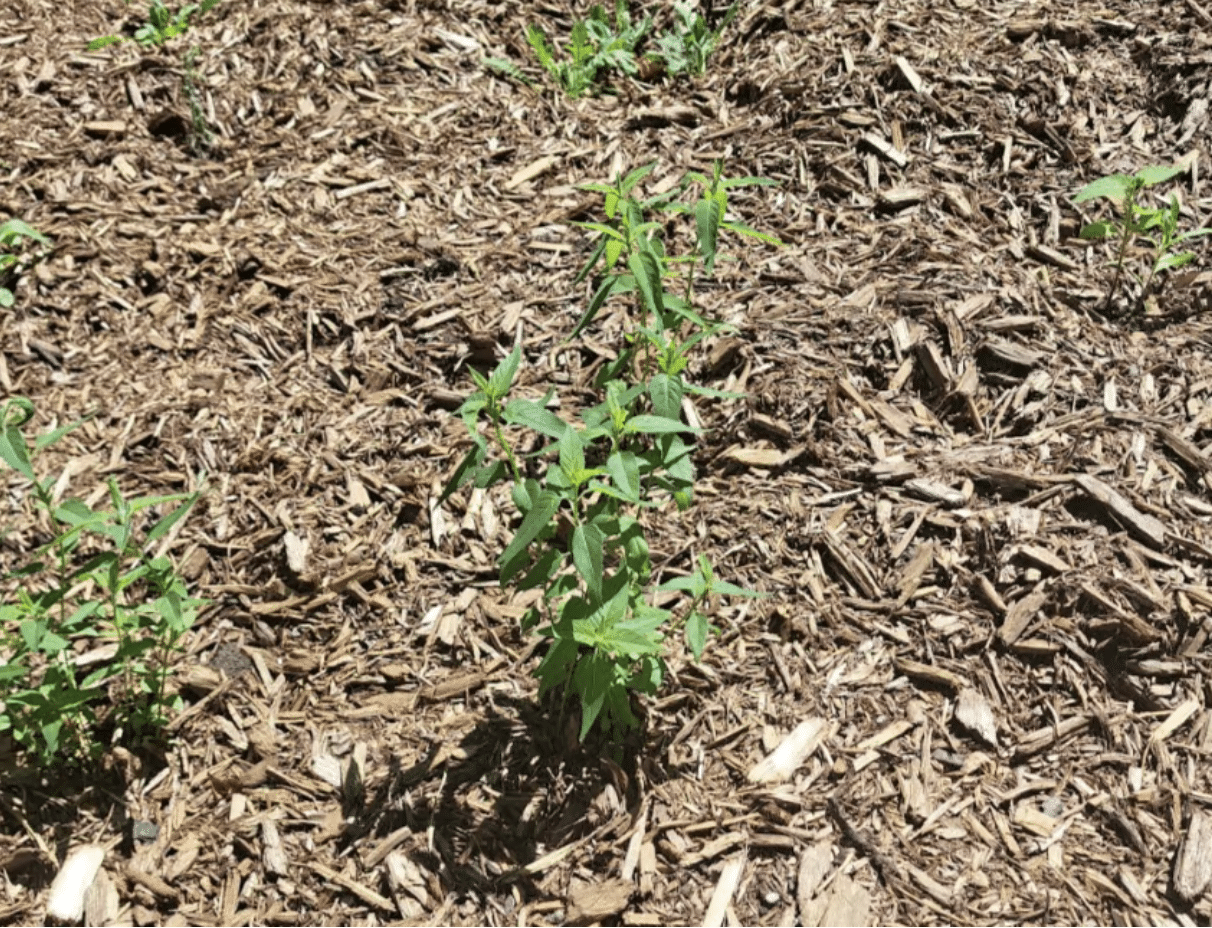
The milkweed Sue grows is not the giant, somewhat ungainly common variety that’s taken over our front garden, but swamp milkweed, a more subtle variety you can easily grow alongside other, more conventionally beautiful flowering plants.
Kellie Bonnici did the same thing a few weeks ago, replacing the lawn in front of her place in the Avenues with native plants, including swamp milkweed. With a background in plant biology, it was an easy decision, even though the full results won’t be visible until next summer, when the plants have grown and matured and filled up the spaces between them.
While Sue and Kellie have both dedicated their entire front lawns, it doesn’t need to be a major commitment. The section we started with was probably one metre (three feet) by three metres (nine feet), and had maybe eight species to start with. Choose native plants, do some research on them if you want, or just plant some things and see what happens. In all likelihood, you’ll be visited by a grateful butterfly in no time.

Thanks for reading!
If you value our journalism and want to see it continue, please sign up to support us.
David Tough
Co-Editor
Peterborough Currents
Thanks for reading the Peterborough Currents email newsletter! Here’s where you can sign up to have these sent straight to your inbox.
Author