
Walking with Bhante Bodhicitta
Local monk leads visitors on free walking tours of Wutai Shan Buddhist Garden, and shares journey to monastic life.
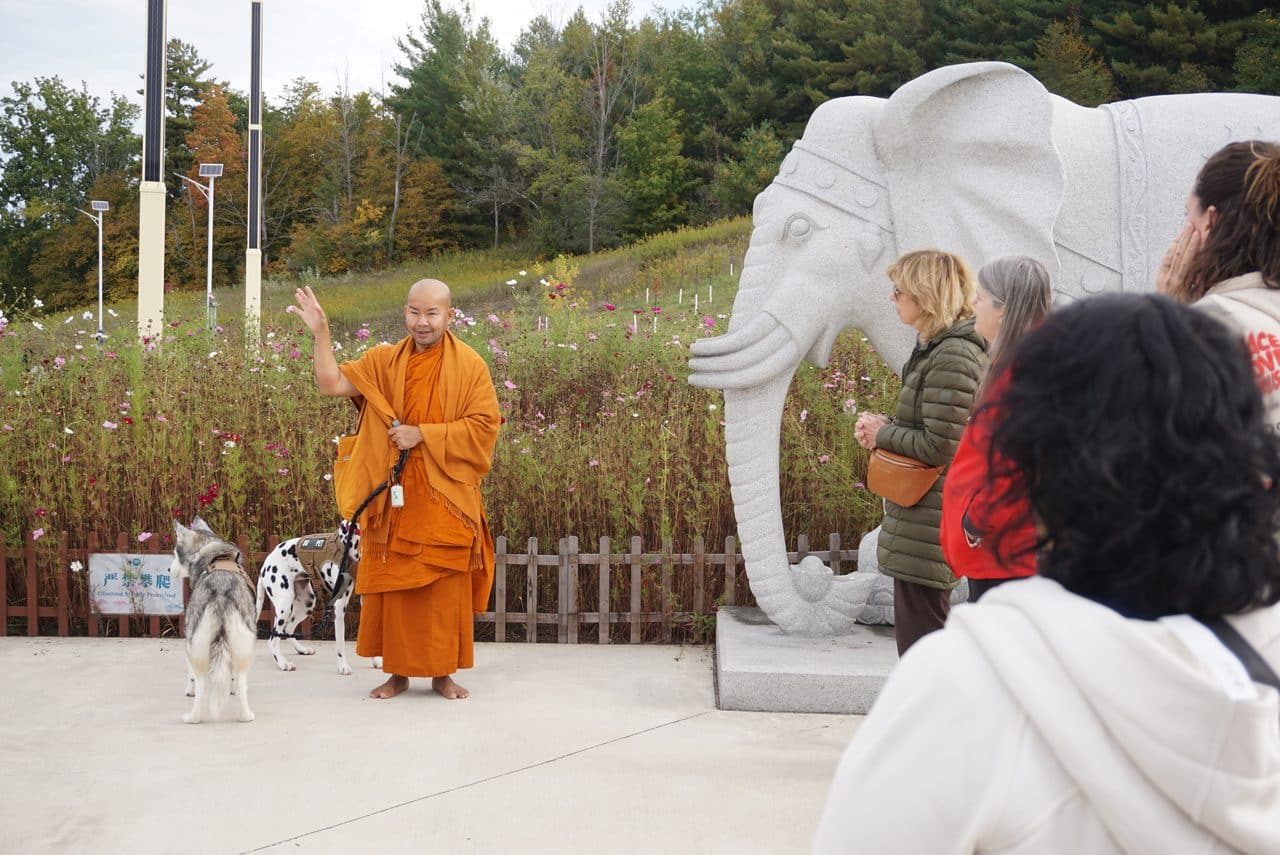
At the foot of the steps to the Laughing Buddha platform, Bhante Bodhicitta smiled as a crowd gathered around him. Barefoot and wrapped in flowing orange robes, he was accompanied by two dogs. His calm dalmatian and husky companions wore service dog vests that carried an unexpected invitation: “do pet.”
The Buddhist monk was preparing to lead visitors through a walking tour of Wutai Shan Buddhist Garden in Cavan Monaghan Township, a short drive from Peterborough. Along the way, he would explain the figures, buildings, and diverse Buddhist teachings represented across the grounds, sometimes pausing to share how he had found his own way to Buddhist practice.
Bhante explained that he had been married before becoming a monk. His husband died about five years ago, and his decision to enter monastic life grew from a wish to dedicate his karmic merit to his husband in death.
Ordained about a year and a half ago, Bhante compared the change in his life to a caterpillar becoming a butterfly. He no longer occupied himself with caterpillar things, he told the group, because he was busy doing butterfly things.
That sense of a changed life surfaced throughout a tour that brought visitors past ponds, statues, and two smaller temples before reaching the Main Buddha Hall. His explanations connected the garden’s religious imagery with experiences of grief, generosity, and the work of understanding another person’s suffering
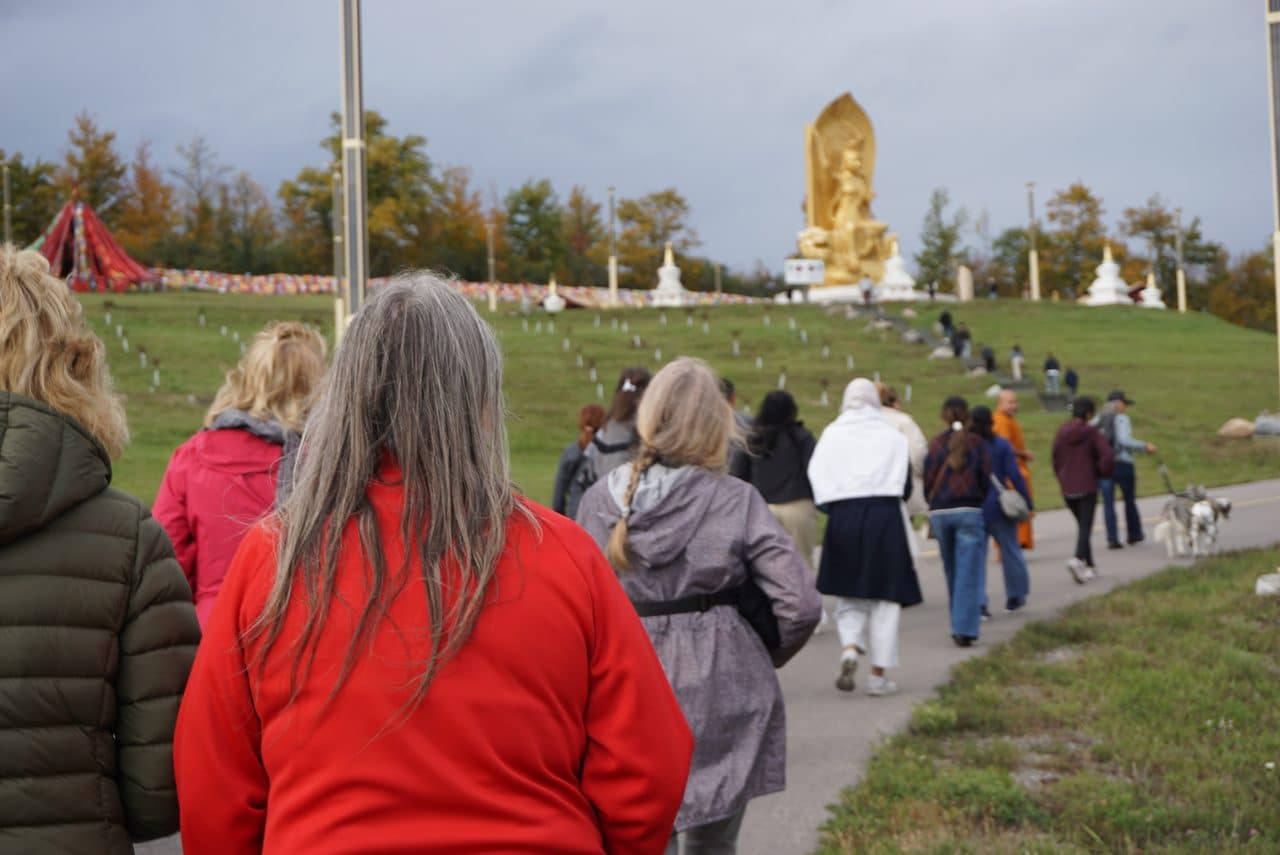
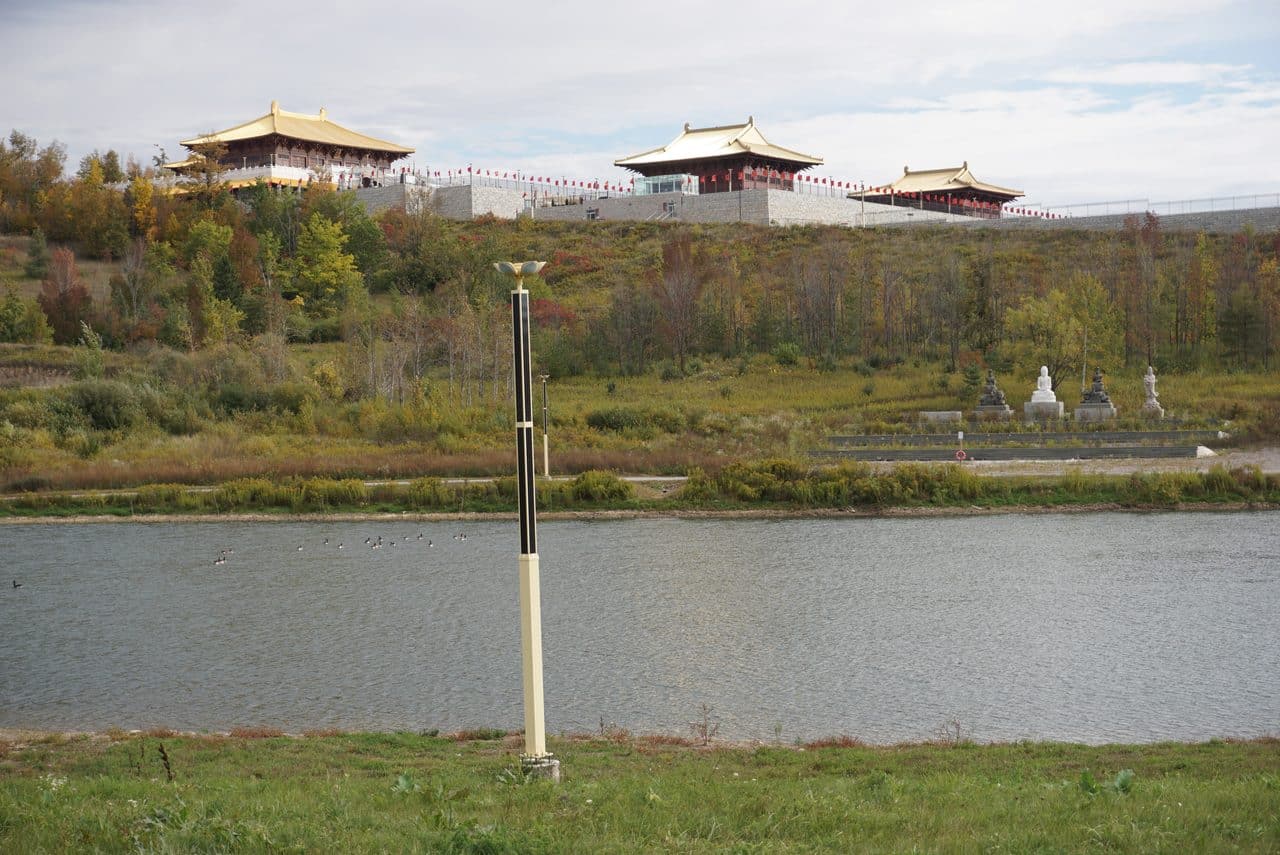
Wutai Shan is the first of four Buddhist gardens planned by Cham Shan Temple, inspired by China’s four sacred Buddhist mountains. Land for the project was purchased in 1990 in Peterborough County and the City of Kawartha Lakes. Wutai Shan occupies 535 acres, with architecture inspired by temples of the Tang dynasty.
The Main Buddha Hall opened in October 2019, and the temple announced the completion of the garden’s first phase in December 2023. Construction continues today, and as he walked, Bhante pointed out buildings and gardens still taking shape.
The site is dedicated to Manjushri, known as the Bodhisattva of Great Wisdom. He is depicted wielding a flaming sword that cuts through ignorance. Bhante described bodhisattvas as buddhas-to-be, helping visitors make sense of the figures they would encounter.
He explained that while the figures are not considered gods, bowing before them is a way of paying respect to the qualities they represent, including wisdom, compassion, generosity, and courage. In Buddhism, a buddha is a fully enlightened being who has reached Nirvana, while a bodhisattva is an awakening being. In Mahayana Buddhism tradition, bodhisattvas vowed they would not reach full enlightenment until everyone living on earth is liberated from suffering.
Although Bhante is a monk of the Theravada Buddhist tradition, Wutai Shan is a Mahayana-based temple. “We believe in inclusivity and the wisdom of many,” he said. “And so I’m here to represent the Theravada lineage, but you’ll see many different beliefs and Buddhist traditions honoured here.”
On the way to the temples, Bhante stopped beside a large pond. He described water as a representation of the mind. A still surface can reflect the moon clearly, he said, while disturbed water makes that reflection difficult to see. He invited the group to pause and take in the temples, statues, greenery, sky, and animals around them.
“There’s a shift in energy that one feels here,” he said. “It’s this sense of calm and peacefulness, and it is because this whole area is blessed by the monastics that come here and do rituals and ceremonies to spread holy water all over the land…. It’s very sacred.”
Before becoming a monk, Bhante had already spent years meditating. He recalled feeling peace, tranquility, and gratitude, and wanting to meditate in a Buddhist temple on a mountain. When he told his parents, they suggested a trip to Vietnam. So he went, and visited about a dozen temples across the country.
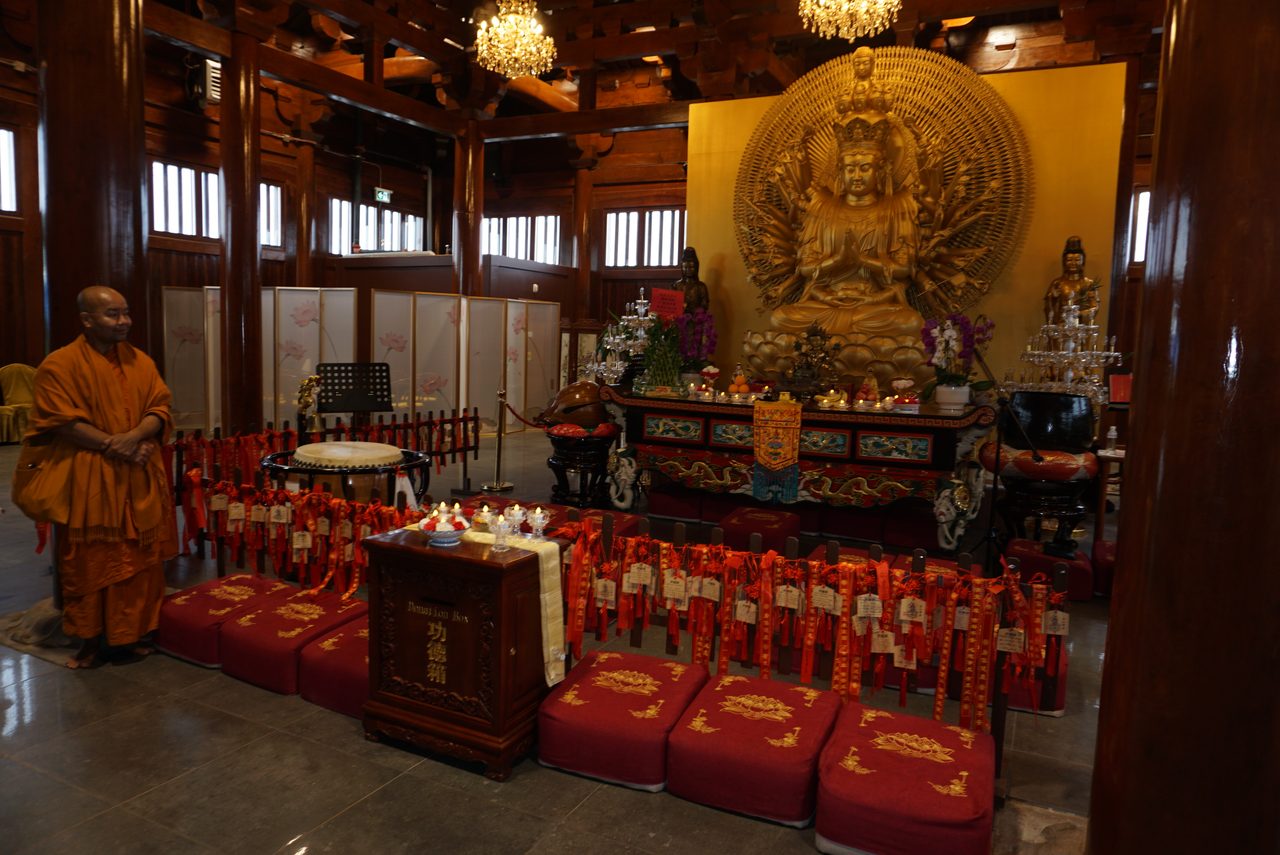
At one of Wutai Shan’s smaller temples, Bhante explained that the hall was dedicated to Avalokitesvara, the Bodhisattva of Compassion. He shared that he had first encountered a statue of Avalokitesvara during that trip to Vietnam. He teared up as he recounted the figure’s story, which had helped draw him toward Buddhism.
It is said that Avalokitesvara carried so much weight and suffering for others that his arms shattered, and he was given 1,000 arms, usually shown spread out around his body like a peacock’s tail feathers. He is depicted holding a tool or weapon in each of his 1,000 hands, intended to help ease the unique suffering of anyone in need.
“When I found out about the story, it just moved me,” Bhante said. “We all need something different. It is true compassion to find what resonates with each person and their circumstances.”
Inside the temples, he explained offerings of candles, flowers, incense, and fruit, and how people can dedicate their offerings to loved ones. In the hall dedicated to care for the deceased, he described the practice of transferring merit to ancestors.
Bhante shared that after his husband’s death, he established a temple in Kitchener and gave his property to the community in hopes that his sacrifice would help ease his husband’s path to rebirth.
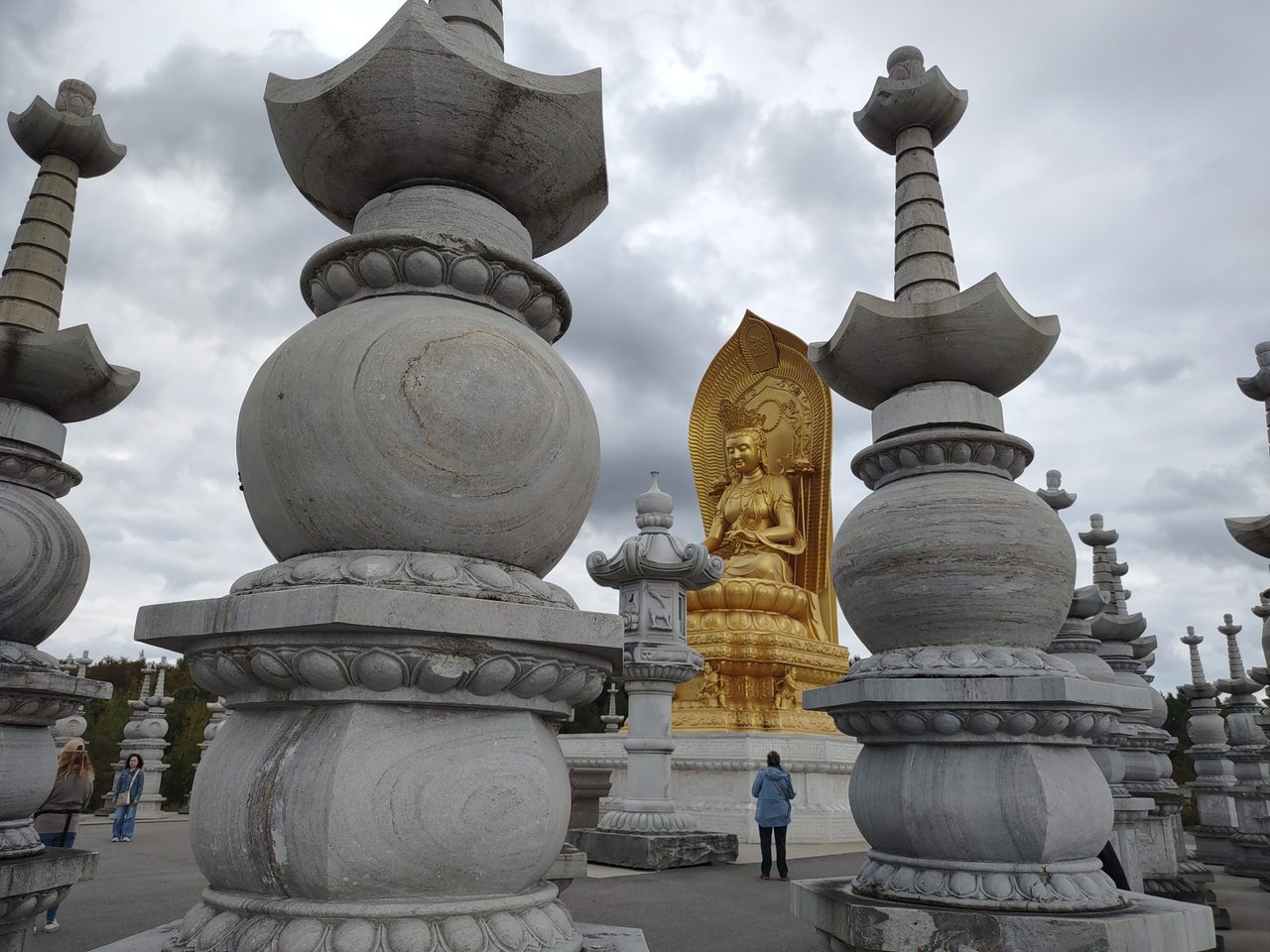
Meditation remains a substantial part of Bhante’s life, alongside his other responsibilities. He described spending at least four hours a day meditating, and sometimes eight or more when he can. To explain its hold on his attention, he compared meditation to watching the best film he could imagine in a movie theatre. Even when he needs a break, he wants to return as quickly as possible so he does not miss the best part.
He shared that walking is one of the forms his meditation often takes. He is currently developing All-Season Peace Walks, an initiative intended to connect temples and communities through long-distance walking pilgrimages. Proposed walks in 2027 would begin in Niagara Falls and end at the Wutai Shan Buddhist Garden, although routes are still being worked out.
His upcoming walking tours at Wutai Shan Buddhist Garden are scheduled for Oct. 11 and 18, and Nov. 1 and 8. The free walks require no registration, and visitors can join for all or part of the day. Each session covers approximately four kilometres: the morning walk runs from 10 a.m. to noon, meeting at the Laughing Buddha statue, and the afternoon walk runs from 3 to 5 p.m., beginning at the Main Buddha Hall’s front lobby and continuing around Wisdom Lake.
Vegetarian food is available at an onsite restaurant during the break. Bhante also offers a free sound meditation from 1:30 to 2:15 p.m., with registration at the front desk inside the Main Buddha Hall’s front lobby.
During the walk, Bhante asked visitors to consider a seed and what it needs to grow. The possibility of peace and enlightenment, he told them, was already within each person.
“We each have that seed inside of us,” he said. “But just like with any seed, we need the right conditions, the right nurture, the right understanding for it to grow into something like a beautiful lotus flower.”
He said that Wutai Shan Buddhist Garden was built to create those conditions, as a space where anyone can come to seek inner peace for themselves.
Author
Related Articles
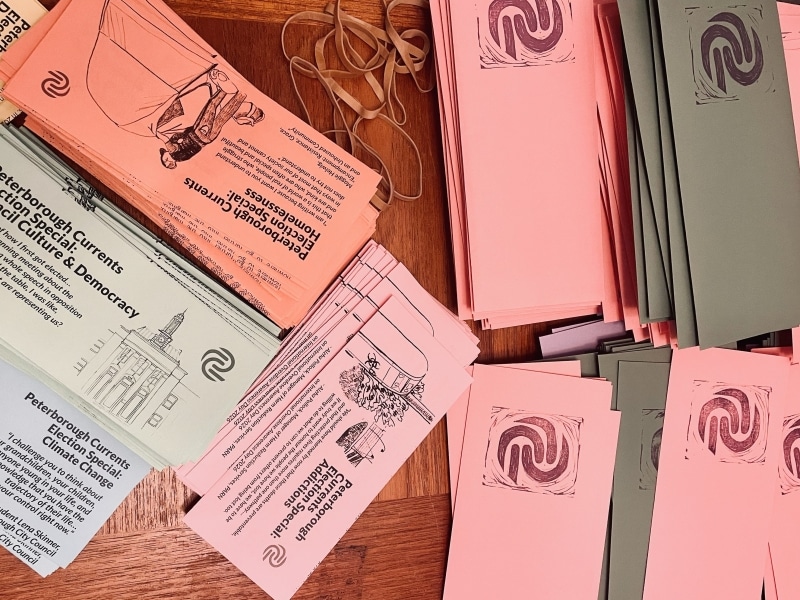
Peterborough Currents Election Special zines
New series of five print zines explore the essential issues this municipal election
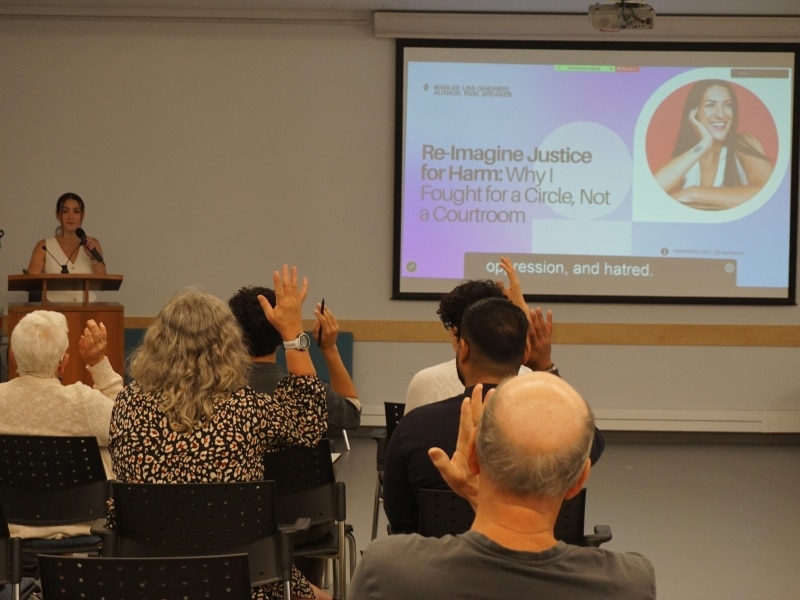
Circles of Support and Accountability – restorative justice at work in Peterborough
Local community members supporting people who have committed sexual offences to safely return to community life.
TandemEyes gives cyclists with vision loss a way back onto two wheels
Local cyclists celebrate their final group tandem ride of the season.
