
Council hikes transit fares, ignores request to hire more bus drivers
Transit union president says revenue from fare hike should be used to boost service and attract more riders
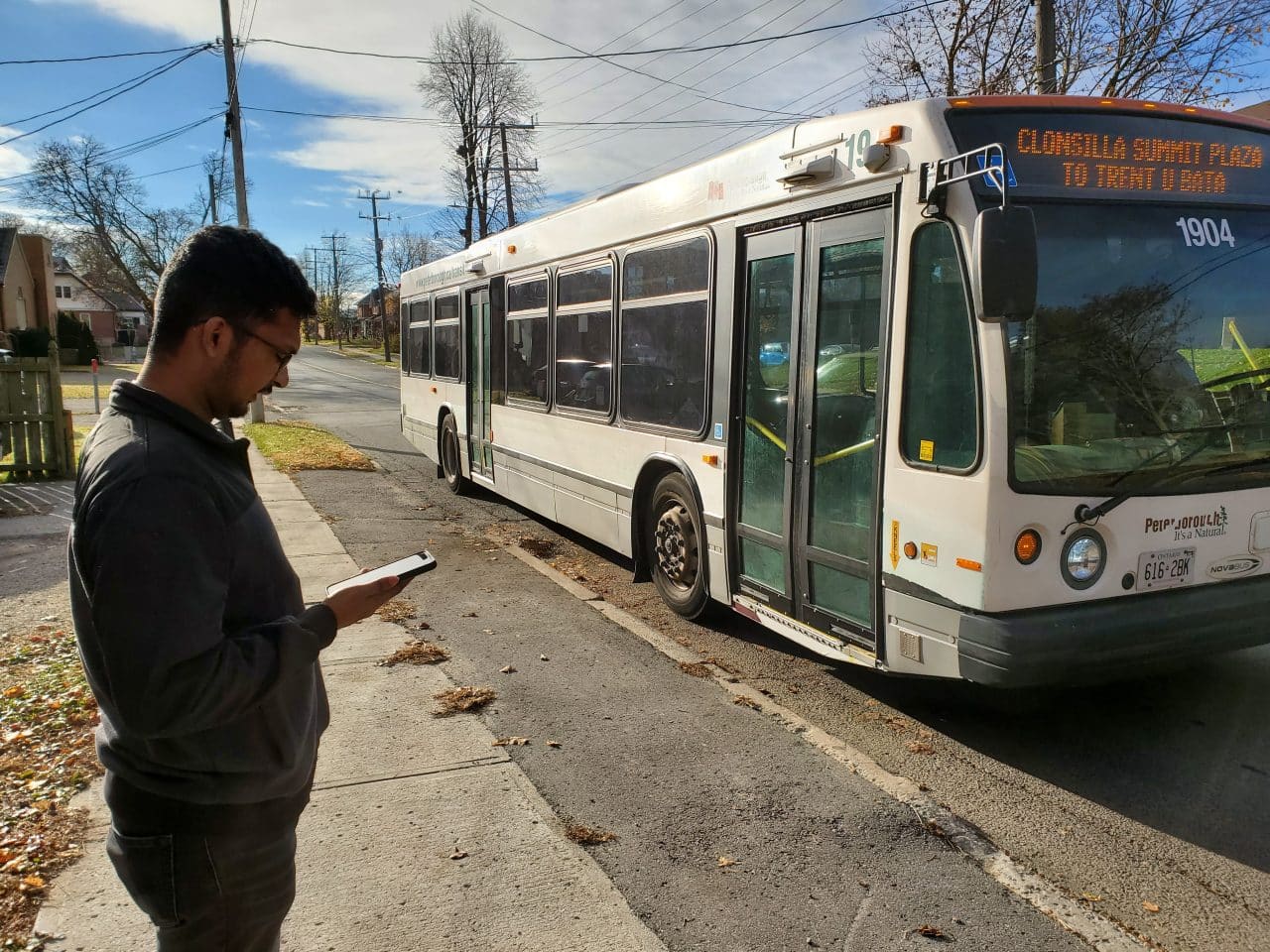
City councillors voted on Tuesday to hike Peterborough Transit fares from $3.00 to $3.25 for a single ride in 2025.
Coun. Kevin Duguay brought forward the motion to raise fares, saying the increase is “more than reasonable” given improvements the city has made to transit. He noted that the city is in the process of installing concrete pads and shelters at many bus stops.
The motion passed 10-1, with only Coun. Alex Bierk voting against it. The vote came on the second day of budget deliberations at city hall as councillors sought ways to lower the proposed tax increase for 2025.
Bierk said he was concerned raising transit fares would hurt people on social assistance. “I’m frustrated that we as a municipality are put into this position where we have to find money… from the people that are the most vulnerable in our community,” he said.
Coun. Keith Riel said he, too, was worried about the impact for people on Ontario Works (OW) and the Ontario Disability Support Program (ODSP), though he ultimately voted in favour of the fare hike.
“I don’t have a problem with the increase … I’m trying to get my head around how you would give some relief to the people on low income,” he said.
The city subsidizes bus passes for people on OW and ODSP using different funding sources, said social services director Rebecca Morgan-Quin. But her department is already “stretching” that funding in order “to meet all the needs” in the community, she said.
Duguay said there was no “mal intent” behind his proposal to increase fares. “It wasn’t meant to penalize those … with heavily limited income,” he said. “We do have mechanisms available to support those that need the service and need a financial assist.”
Transit fares also rose by 25 cents at the beginning of 2024.
The 2025 budget isn’t finalized yet — that’s expected to happen next month. If the transit fare hike goes ahead, city staff estimate it will bring in $125,000 of additional revenue next year, which will help offset rising fuel, insurance and staffing costs facing Peterborough Transit.
Transit revenues expected to rise
The total cost to operate transit in 2025 will go up by 3.2 percent to $21.8 million, according to budget documents. That’s an increase of nearly $670,000, but most of that increase is expected to be covered by revenue growth associated with increased ridership, according to budget figures.
Even without the fare increase, staff were expecting ridership revenue to rise to more than $8 million next year — an increase of 6.3 percent compared to 2024.
Rider revenue pays for about one-third of the cost of operating Peterborough Transit, with municipal taxpayers covering most of the remaining cost.
Transit ridership has increased 19 percent so far this year, as Peterborough residents continue to return to the service following the COVID-19 pandemic, transit services director Barry Wakeford said. The total number of boardings in 2023 was almost 3.2 million, Brendan Wedley, the city’s director of strategic communications, told Currents.
Ridership hit 4.8 million in 2019 but then plummeted to below 1.4 million in 2021 as the pandemic gripped the city, according to budget documents from past years.
The president of the union that represents local transit drivers, Cory MacLeod, credits investments the city made to boost transit service in 2024 for the uptick in ridership.
The 2024 budget included $596,000 to hire six additional transit drivers and on-street supervisors, which allowed Peterborough Transit to start running buses every 30 minutes on some routes that used to be hourly.
“I believe that it has paid off,” said MacLeod, president of ATU Local 1320, of the decision to boost service. “If you build it, they will come.”
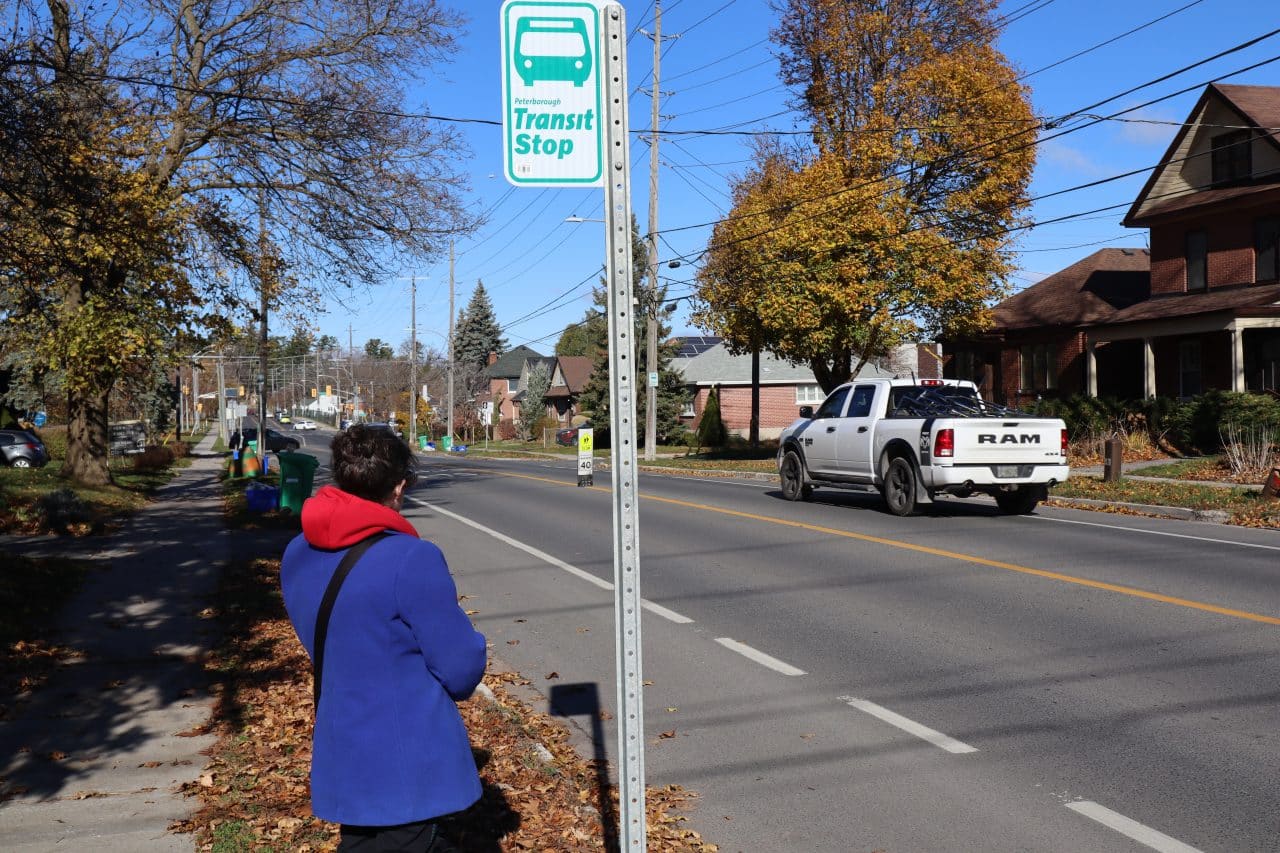
Ridership on Route 4 Weller rose 78 percent after buses started running every half hour on weekdays, according to budget documents. That’s the route Jeanine, who declined to give her last name, takes. She said it’s a lot easier for her to get downtown now that buses go by every half hour. “It’s just more convenient,” she said. “It gives me more freedom to travel more frequently and it gives me more options.”
Free rides for high-schoolers will grow “new transit riders for life”
At Tuesday’s meeting, councillors also voted to make transit free for high school students starting next September.
Transit is already free for children up to 12 years old. Coun. Lesley Parnell brought forward a motion to begin extending free rides to high school students, as well, next school year at an expected cost of $33,400 in 2025. The motion passed 6-5, with councillors Haacke, Beamer, Riel, Baldwin and Mayor Jeff Leal voting against.
Parnell said she was “a little bit upset” the initiative wasn’t included in the budget to begin with, because council had already endorsed it during last year’s budget deliberations.
But Beamer said staff “were just doing their best” to fulfill council’s wish to minimize the tax increase by leaving the free transit initiative out of the draft budget.
Parnell said although the measure comes with a cost, it will also bring in some revenue from local school boards. The boards can help pay for the cost of the service, since they won’t have to run as many school buses for high school students in the future, she said.
“What is happening with this program is that we are growing new transit riders for life,” Parnell said. “When young people get used to using transit versus mom and dad’s car, they become transit users throughout their life.”
Free transit will also make it easier for students to participate in after-school programs and part-time jobs, she said.
Coun. Gary Baldwin suggested waiting until after 2025 to waive transit fares for high school students. He said he rode the bus when he was young, but when he was 16 he “couldn’t wait” to start driving his parents’ car. “I’ve been driving ever since that time,” he said.
Use growing fare revenue to hire new drivers, union president says
Some transit riders were already bracing for a fare increase last week, after city staff floated it as a potential measure council could adopt to reduce the tax increase in the draft budget.
Clinton, who declined to give his last name, said it would be hard to stomach another fare increase, given the high cost of living right now. “Anything that’s increasing these days is not very good,” he said.
MacLeod, the transit union president, expressed frustration after Tuesday’s meeting that the fare hike isn’t coming with an increase to service.
“There has been no significant increase in the amount of public transit since COVID,” he said in a text message. Despite most buses now running every 30 minutes, transit service still “drastically decreases” during the summer months when post-secondary students are not in class, he said.
MacLeod told Currents in an interview last week he would support raising fares if the additional revenue went toward hiring more transit drivers to improve service and reduce cancellations.
Peterborough Transit has announced more than 270 trip cancellations on social media since Oct. 1. It’s because of a “flu bug circulating in the community” which has caused a “high rate of staff absenteeism” at Peterborough Transit, city spokesperson Sarah Deeth told Currents by email.
MacLeod said transit workers are “overworked” and that’s causing many to fall sick and miss work. Plus, trips are taking longer to complete lately because buses are fuller and drivers keep falling behind schedule because they don’t have enough buffer time between runs, he said.
“In short, we often do not have enough time to complete a trip, and we are subsequently late beginning the next trip. The domino effect ensues, and the outcome can certainly present itself as sick, overworked transit operators,” he wrote in an email.
MacLeod said the city should hire more drivers in 2025 in order to work toward a transit system where buses run every 15 minutes. With that kind of frequency, ridership will shoot up, he said.
The city’s transportation master plan calls for 15-minute service frequency on key corridors and 20-30 minute frequency on all other routes by 2051. The goal is for transit to make up 10 percent of all trips made within the city by that time.
MacLeod said investing in transit service will pay off for the city, because it will result in higher fare revenues. “The more that you invest in transit, the more people that ride it [and] the less expensive it is to operate,” he said.
The draft budget did not include any new transit hires. However, the budget documents did include a staff request for an additional $348,000 next year to hire four new drivers, in order to boost service on weekdays and Saturdays. Councillors did not entertain that request during Tuesday’s meeting, meaning it most likely won’t be included in the final budget.
Transit rider Maureen LaPointe said the more frequent service on Route 4 means she no longer has to wait one hour if she misses her transfer bus when returning from grocery shopping.
But it’s still “a chore” to go shopping on Chemong Road, because it requires transferring to another bus at the downtown transit terminal, LaPointe said. Lansdowne Place is difficult to get to by transit, as well. “We only live about 10 minutes away from the mall [by car],” LaPointe said. But by bus, “it takes us over a half hour to get there.”
One route that could still use a service boost is Route 3 Park, according to transit rider Clinton.
“This bus only comes once an hour for the bulk of the day, so it doesn’t work very well in that respect, I don’t think,” he said. Route 3 currently runs on a half-hour schedule for a short period between 7 a.m. and 9 a.m. on weekday mornings, before switching to hourly.
Fleming student Andson Rebello agrees. He said it’s inconvenient trying to catch the bus when it only comes once an hour.
“Every half hour all day is fine – I prefer that,” he said.
Author

Related Articles

“Disappointing”: Peterborough moves away from traffic calming, despite data showing pilot projects led to reduced speeds
Councillors vote to study lowering speed limit to 40 km/hr city-wide instead
As the Rotary Trail turns 30, it’s still a work in progress and still “one of the best things about Peterborough”
Paving of the first leg of the well-used trail began in September 1994.

Three ideas to make Peterborough’s streets safer
Including an urban planning lesson from Peterborough’s past and a proposal to help cyclists dodge Lansdowne Street
