
Is Rice Lake a person?
You’re reading the February 5, 2026 edition of the Peterborough Currents email newsletter. To receive our email newsletters straight to your inbox, sign up here.
Greetings, it’s Currents co-editor Gabe Pollock here, welcoming you to the weekly Peterborough Currents email newsletter!
I wrote a new piece over on the website, all about an innovative attempt by Alderville First Nation to protect the waters of Rice Lake. It turned into globetrotting piece that led me down rabbit holes about biological processes, Ecuadorian court cases, global climate change, and 10,000 years of Indigenous history, so let’s get right to it!
Alderville First Nation grants legal personhood to Rice Lake
by Gabe Pollock
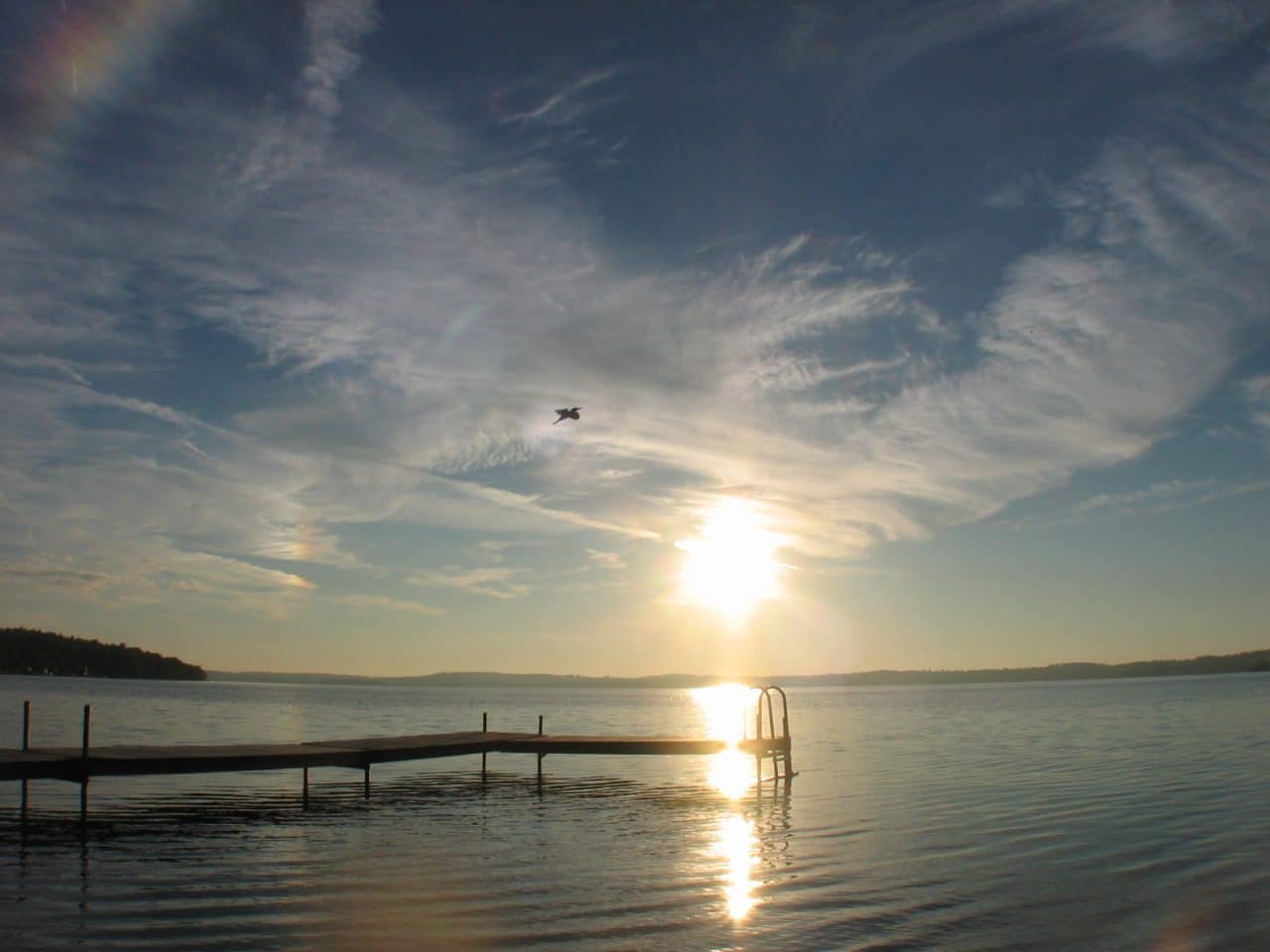
In a resolution passed by the Alderville First Nation band council, Rice Lake has been granted legal personhood status. This move asserts the lake’s right to exist, to flow, and even to sue would-be polluters, and sets up a guardians council to speak on its behalf.
This move is a first in Ontario, but ecological personhood is a growing international movement, led in large part by Indigenous peoples, and is an exciting alternative solution to climate change and ecological devastation.
But what does it mean to call a lake a person? Is that even legal? And who gets to speak on behalf of the lake?
Climate change may be the most important issue facing humanity in the 21st century, but it remains a challenge to report on, particularly for a local publication like Currents.
I once heard climate change described as a hyperobject, a concept so big and confusing that no one can hold all of it in their head at one time. It involves so many different natural and human systems, so many stakeholders, so many different problems requiring so many different solutions – how can we ever combat it? And what can we do about it, as a wee little local news non-profit?
That despair is the other problem, because it will always be easy to find bad-news climate change stories to report on: missed emissions targets, legislative rollbacks, unprecedented natural disasters.
It can feel incredibly disempowering, especially when all the good-news stories about climate change feel so small: plastic bag taxes, protest marches, clever inventions that will probably never go anywhere.
But small is what we have, and as the authorities fail to act, small is the only thing that will save us. Maybe we can’t conceptualize the whole climate all at once, but we don’t need to. The great thing about a problem that’s made up of a million different interconnected systems, is that you can start anywhere, and the effects will ripple outward, across all those interconnections.
The Rice Lake personhood declaration won’t stop climate change, but it will help the trout and the muskie, the manoomin (wild rice) and the people of Alderville First Nation. It will clean the water and restore the ecosystem in Rice Lake and along the watershed. It will change minds of cottagers and anglers who come down from Toronto, and of the organizational partners who join the guardians council. It will affect legal decisions that happen in Canadian courts and encourage others to set up protections on their natural wonders, and eventually… just maybe, it actually will stop climate change.
Read the article: “Alderville First Nation grants legal personhood to Rice Lake.”

That’s all for this week, have a great weekend!
If you value our journalism and want to see it continue, please sign up to support us.
Gabe Pollock
Co-Editor
Peterborough Currents
Thanks for reading the Peterborough Currents email newsletter! Here’s where you can sign up to have these sent straight to your inbox.
Author

Related Articles
City Council’s culture problem
A mere election might not fix it
Looking ahead at 2026
Previewing the stories that will impact Peterborough in 2026

