
City Council’s culture problem
A mere election might not fix it
You’re reading the January 16, 2026 edition of the Peterborough Currents email newsletter. To receive our email newsletters straight to your inbox, sign up here.
Hi, I’m Currents co-editor David Tough. Welcome to your weekly Peterborough Currents email newsletter!
This week I visited City Hall, where a testy meeting saw the mayor and council address the fall-out from two of 2025’s biggest political scandals.
This is kind of a long one, so let’s get straight into it.
City Council’s culture problem
by David Tough
The meeting of Peterborough’s mayor and councillors on Monday night saw council members grapple with procedural complexities but also important principles. It illustrated a profound gap between different ways of thinking about the city and how to do municipal politics.
Ultimately, though, two good things came out of the meeting.
The first was a unanimous vote to make public an internal report prepared for council’s closed session by the city’s legal representative, outlining the history of the conflict between the Northcrest Neighbours for Fair Process (NNFP) and the City over a proposed transitional housing project on Chemong Road, culminating in the judgment in the City’s favour by Ontario Superior Court Justice Susan Woodley.
Councillors also voted to amend their Code of Conduct to explicitly forbid the uttering of a racial slur beginning with the letter n, following the release of a report by the City’s integrity commissioner that concluded that Mayor Jeff Leal hadn’t technically violated the code when he used the word in a lecture at Trent University to illustrate an attitude he disagreed with.
Let’s get technical
Technically, Monday’s meeting was a General Committee meeting, not a City Council meeting. A General Committee, often referred to as Committee of the Whole or a Ways and Means Committee, is a committee that includes all the members of a political body, but is less formal and official.
It usually does more detailed or preparatory work, leaving big, important decisions to a later meeting of that formal body. In Peterborough, as in several other cities, General Committee meetings alternate with Council meetings, each occurring every second Monday.
Unlike the Council meetings, which the Mayor chairs, the General Committee is chaired by a councillor, in this case Northcrest councillor Andrew Beamer. Shortly after the meeting began, however, it was ended, following a motion by Asburnham councillor Gary Baldwin to adjourn the General Committee and open a special meeting of the council itself.
This change took some procedural work, guided by the City Clerk, but ultimately resulted in Mayor Leal becoming Chair of the meeting. It also allowed Baldwin to move another motion, guided by advice from the City Solicitor, to make public the report about the NNFP proceedings that councillors had just seen in closed session.
Politics – or the law?
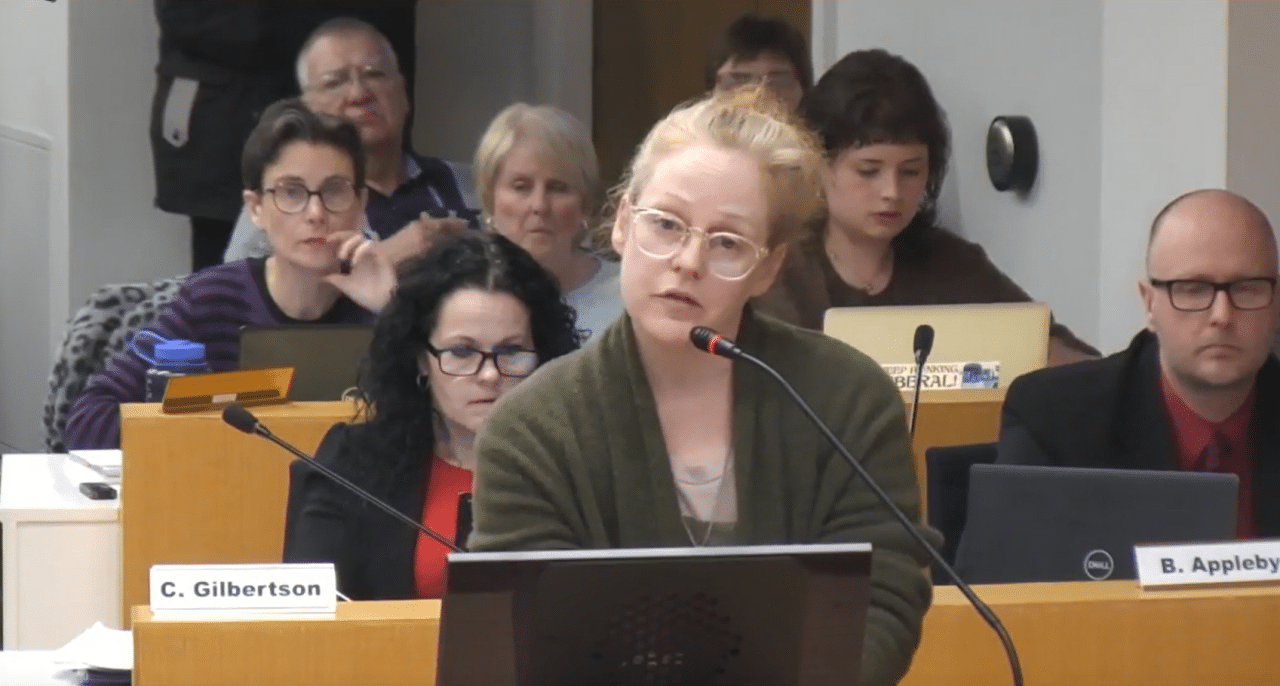
Interestingly, while there was general agreement that the public should see the report, there was intense disagreement about why.
Baldwin asked, through the mayor, if David Potts, the City Solicitor, could weigh in on whether it would be a good idea to release the report that Potts wrote outlining the case. Potts agreed that the public should see the report, noting that it was “clinical,” and simply traced the chronology up to Justice Woodley’s ruling against NNFP in November.
Potts then elaborated, saying that while the legal case was purported to be about process, namely the City’s use of strong mayor powers to push the development through, and while a successful crowd funding appeal to cover the legal costs had framed the issue this way, the judgment had shown that it was really a simple not-in-my-backyard response.
Things got more heated when Mayor Leal, ostensibly in his role as chair of the meeting, asked Potts to comment on whether NNFP’s legal action against the city was a case of “weaponizing the law.” Before Potts could answer, Ashburnham councillor Keith Riel and Town councillor Joy Lachica both called a point of order, protesting that the chair was essentially asking Potts to agree with him.
This point of order went to a vote, and all but three councillors supported Leal asking Potts to discuss whether the NNFP had “weaponized the law.” (Someone in the public gallery said “of course” when the vote breakdown was announced.)
In answer to the mayor’s request, the City Solicitor said he did see a concerning politicization of law in the case, and reiterated that, while the question had been characterized as an issue of process, and therefore of public interest, this was an error: the judge had ruled that it was not.
Councillor Lachica commented, “That may have been Justice Woodley’s ruling, but we are a political body,” in which “there is a difference of opinion.” Lachica pointed out that seven councillors had voted against the development, and noted that “the decision to go forward and litigate this was made” without council’s involvement.
While NNFP’s legal challenge never saw a full court proceeding, Judge Woodley’s initial ruling based on the evidence was that it was “unlikely that the applicant will be successful” and she ordered NNFP to pay $30,000 in security costs for it to continue. After this, NNFP dropped their challenge and settled out of court.
The letter n
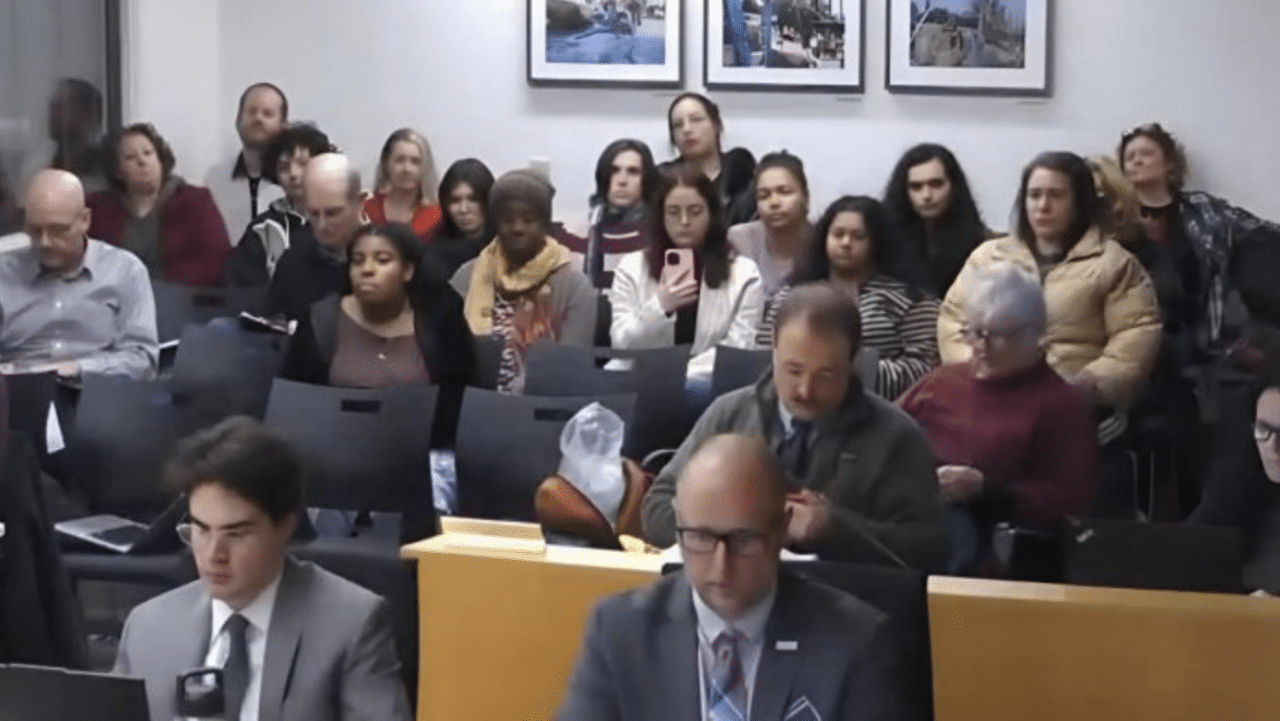
Reverting to a General Committee meeting, with Beamer replacing Leal in the chair, councillors turned to the issue that had brought most of the public to City Hall that evening: a set of reports by Integrity Commissioner Guy Giorno.
Councillor Riel was the first to speak, highlighting one report’s conclusion that he had not bullied City staff, and that what staff had found unpleasant was simply disagreement, an integral part of politics. “I will not be deterred from representing my constituents,” said Riel, the only confirmed candidate for mayor in next fall’s election.
Picking up on Riel’s theme, Town councillor Alex Bierk said Giorno’s report was validating, as it noted problems with the way the roles of portfolio chairs lead to conflict. Potts replied that those rules were “meant to allow city staff to share information with councillors — who are otherwise very much like members of the public.”
The discussion then turned, finally, to the Mayor’s use of the n word, with Bierk thanking Black constituents, and students in particular, for bringing the issue forward. Bierk moved for anti-racism and diversity, equity, and inclusion training to be mandatory for city councillors and senior staff, and to amend council’s code of conduct to specifically prohibit the use of the specific slur, regardless of context or intent.
There was some discussion about whether the motion should (and could) mandate training for all staff (it could and was amended to say so), and whether recent commitments to Indigenization had already done similar things (they hadn’t). Leal declared a conflict of interest and abstained, and the rest of council voted unanimously for the changes.
Court vs country?
The divisions on city council are no secret. They are so established and predictable (as the voice in the gallery said: “of course”), that they’re almost parliamentary, with a court party grouped around the mayor, supported by city staff, and a smaller country party of two or three or perhaps four dissenters.
Councillors representing areas outside downtown tend to treat the city as a business. They try to keep taxes down, they balk at expensive solutions to problems that don’t directly affect their constituents, and they live in fear of litigation. Council’s significant and increasing deference to the City Solicitor makes sense in this context.
Monday night’s big decisions were good ones, but watching council operate, it’s clear that there is a culture problem, and it’s unclear if the next municipal election will fix it.
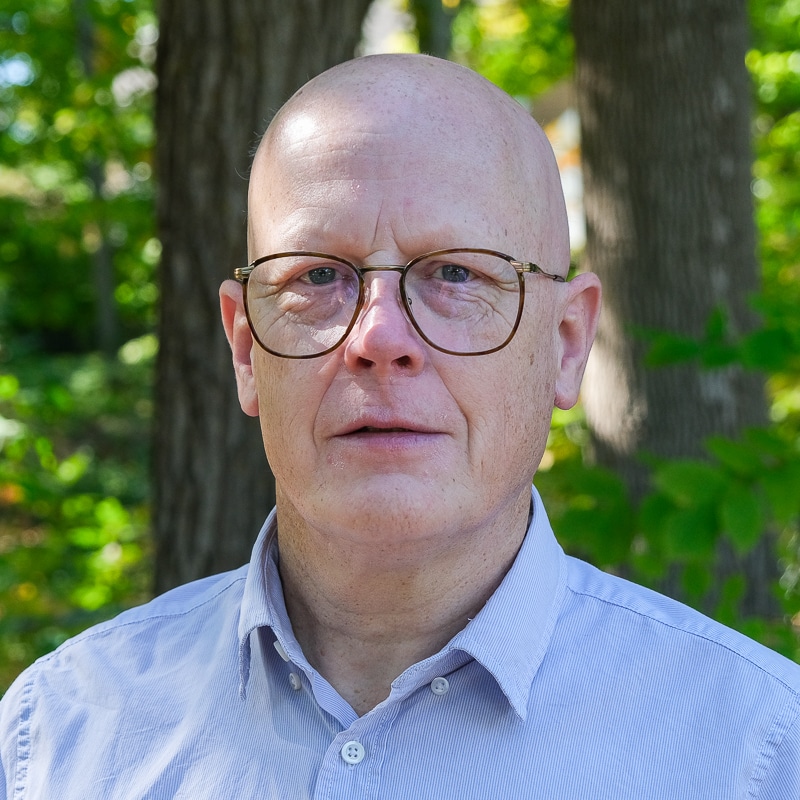
Whew – I honestly thought this newsletter would never stop. Thanks very much for reading until the end!
If you value our journalism and want to see it continue, please sign up to support us.
David Tough
Co-Editor
Peterborough Currents
Thanks for reading the Peterborough Currents email newsletter! Here’s where you can sign up to have these sent straight to your inbox.
Author
Related Articles
Looking ahead at 2026
Previewing the stories that will impact Peterborough in 2026
Two short stories about strong mayor powers
A legal challenge against the City of Peterborough is dropped and “the mayor’s budget” is passed

December news and events in brief
Budget news recap and upcoming holiday events
