
Peterborough’s hospital wants to expand access to “life-saving” care. The community has to fundraise for it first.
The PRHC Foundation is leading a $60 million fundraising campaign to improve care at the hospital. But why do communities have to fundraise for health care in the first place?
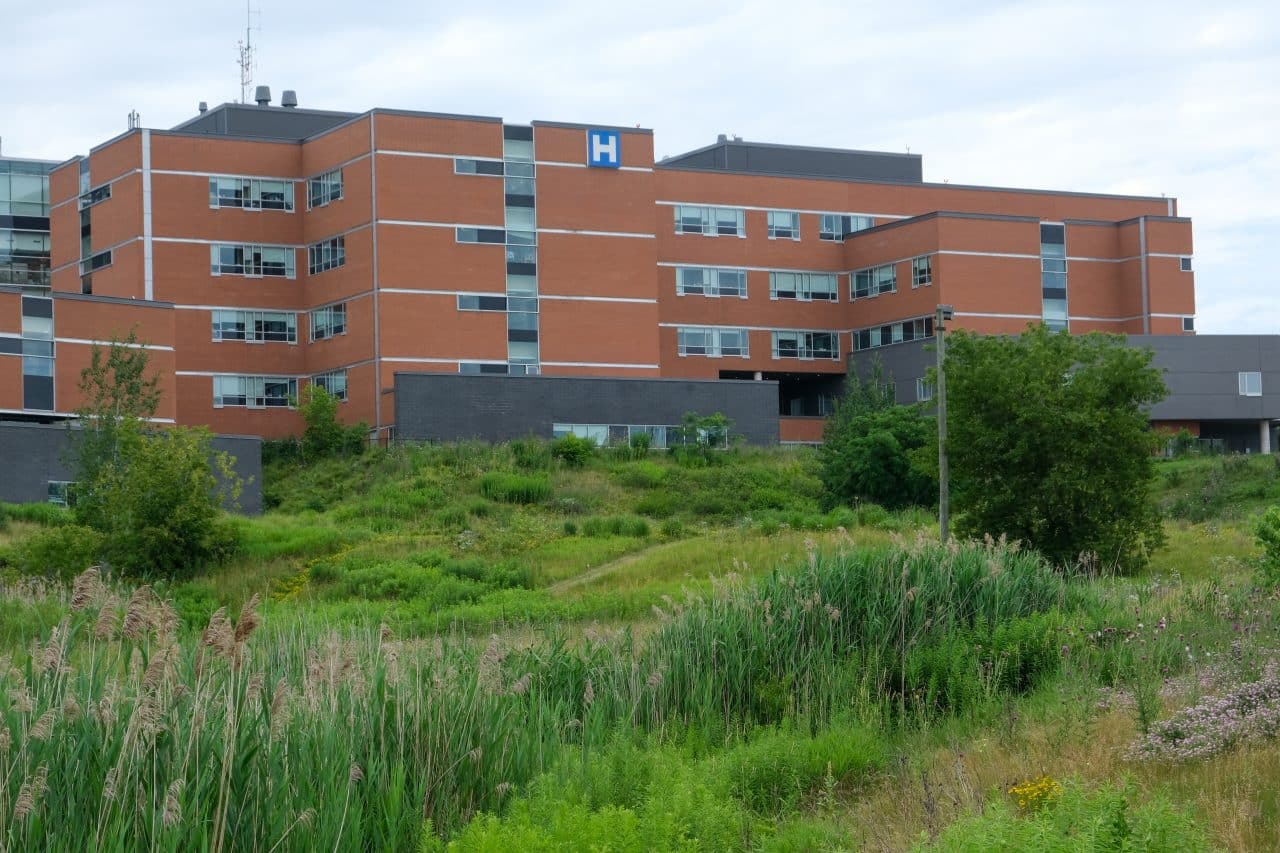
There’s a divide among mental health inpatients at the Peterborough Regional Health Centre (PRHC). It’s between those who have access to the outdoors and those who don’t.
Most mental health units at the hospital have courtyards where patients can get some fresh air, PRHC’s CEO Lynn Mikula explained. But there’s one unit that doesn’t have a courtyard: the psychiatric intensive care unit, or PICU.
Patients in the PICU have “the greatest severity of condition,” Miklua said, and they “would really, really benefit from access to the outside.”
Mikula said it’s “difficult to even imagine” what it’s like to be admitted to the hospital for a mental health condition and then not be allowed to go outside.
So the PRHC has a plan to build a secure courtyard specifically for PICU inpatients. “It’ll be a beautiful place where they can go with their family, with their psychiatrist, with their caregivers, and access care outside,” said Lesley Heighway, the CEO of the PRHC Foundation.
But provincial governments — including Ontario’s — don’t generally pay for that kind of thing, according to Heighway. “The government funds a portion of hospital operations, but it doesn’t fund the equipment and technology in hospital environments,” she said.
That means it’s up to the local community to fundraise for certain capital improvements and other equipment and technological upgrades, Heighway said. So that’s what she and her team are doing.
The PRHC Foundation is an independent charitable organization. It’s administratively separate from the PRHC, but it exists solely to fundraise on the hospital’s behalf. Between 2017 and 2023, the foundation disbursed over $27 million to the hospital, according to its financial reports. That money has purchased new CT and MRI scanners, two new cardiac labs where heart attacks are treated, operating room upgrades, and more.
Last month, the Foundation launched the public phase of its current fundraising campaign — the biggest in the organization’s history, according to a media release. The goal is to raise $60 million.
The PICU courtyard is one of several capital upgrades and equipment purchases that the foundation will pay for if the campaign is successful, according to the foundation’s campaign materials.

New cardiac lab will bring care closer to home for people with irregular heartbeats
Another priority for the $60 million fundraising campaign is to build a new cardiac lab where electrophysiology procedures can help people with irregular heartbeats. That’s a service the PRHC doesn’t currently offer, meaning patients have to travel to Scarborough or Kingston to receive care.
Wait times for electrophysiology procedures are currently about two years, Mikula said, and she expects those wait times to increase as the Ontario population ages.
A new electrophysiology lab in Peterborough will “create much needed capacity” across the broader health care system, Mikula said. “We will be doing our part to take the burden off the system. Right now, Kingston and Scarborough have tons of work. They would really like us to be able to treat our patients here.”
Heighway said the new cardiac lab will offer “life-saving care that we don’t offer today.” And while the province will fund the operating costs of the lab once it’s built, it won’t pay for the technology and equipment in the space, she said.
A spokesperson for the Ministry of Health said that the province does provide capital grants to hospitals for “approved construction projects.” Heighway responded that the spokesperson was likely referring to new builds, for which the province provides 90 percent of the funding. “The things we’re working on are not eligible for ministry funding,” she said.
Why must communities fundraise for hospital equipment instead of paying for it through their taxes?
“The provincial government has always had this expectation that hospitals and communities will generate a portion of their capital needs through fundraising,” Mikula said. She added she doesn’t know why things are organized this way — only that it has always been the case.
Mikula said it can be “tough” to work in an environment where philanthropy dictates how hospitals get equipped, because it means bigger, wealthier communities tend to have better healthcare facilities. “Sometimes it feels a little bit unfair,” she said. “Downtown Toronto has a huge philanthropic base. In Peterborough, it’s a little bit of a different situation. Our donors are wonderful, but it’s just not as many people.”
“The best hospitals are in the most generous communities,” Heighway said. “And I don’t really see that changing any time soon.”
Across the country, hospital foundations exist primarily to fundraise for capital, equipment, and technology purchases on behalf of their hospitals, Heighway said.
That fundraising costs money. For every dollar it raised over the past five years, the PRHC Foundation spent an average of $0.22 on its own management and administration, according to the charity’s financial statements. Heighway said the foundation is proud of that metric and that it represents a good return on investment for donors. “The entire team works hard to be efficient and effective,” she stated.
PRHC Foundation‘s fundraising results and expenses
PRHC is "at a crossroads"
Heighway and Mikula both said the PRHC Foundation’s new campaign comes at a critical moment in PRHC’s history, as the hospital faces numerous challenges.
“It’s a tough time in healthcare, because the needs of the population keep growing,” Mikula said. Hospitals are facing worker shortages and technological shifts while gaps in primary care mean more and more people are showing up at emergency rooms, she said. “So we're trying to deal with a lot of pressures from a lot of different sides.”
As for worker shortages, Heighway said the kinds of equipment upgrades funded by the PRHC Foundation are needed to boost recruitment efforts. “In order for our hospital to be attractive from a recruitment perspective, we have to have the equipment and technology that today's physicians, today's young physicians, are training on,” she said.
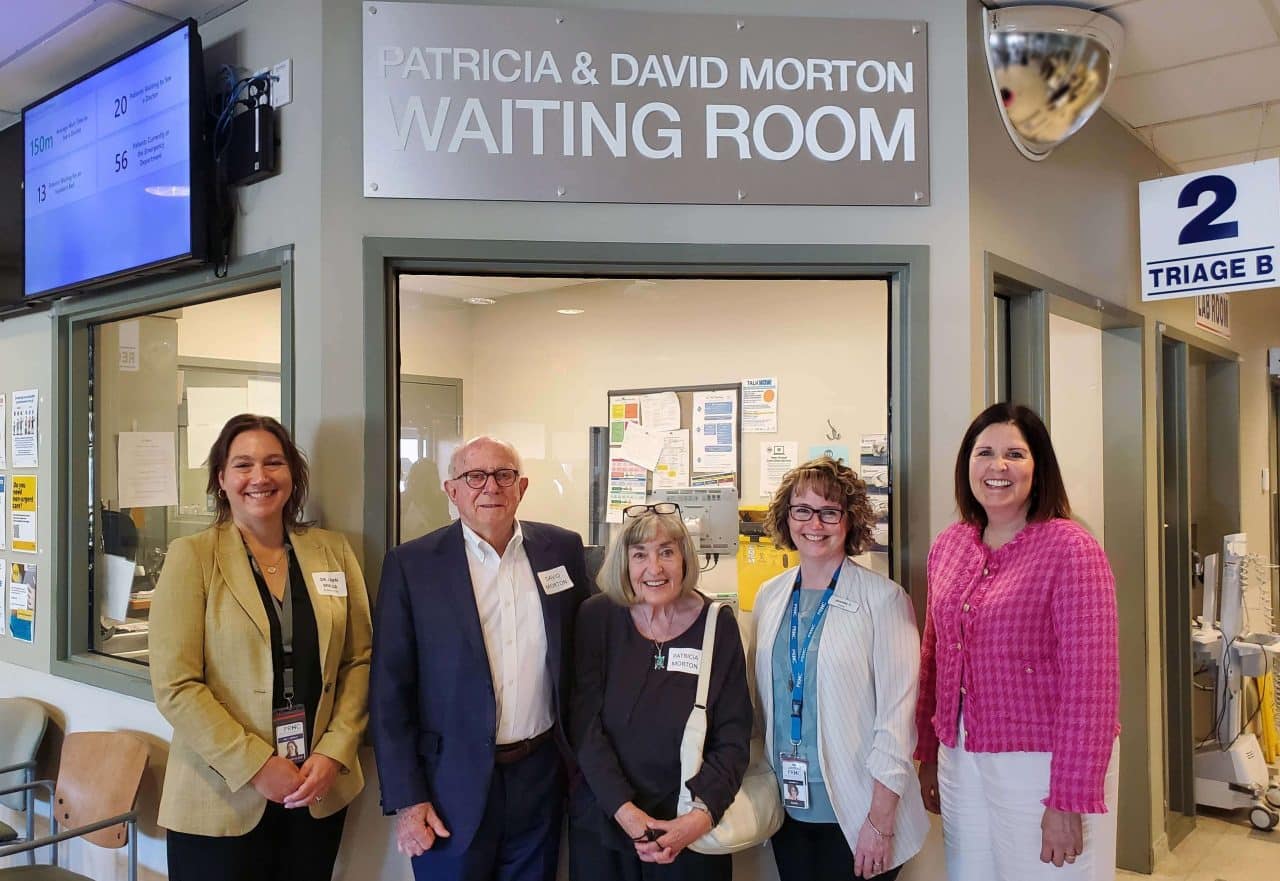
Heighway said PRHC has grown into a truly regional hospital since it first opened in 2008 and now serves a population of over 600,000 people. If someone has a heart attack as far away as Haliburton or Cobourg, they are likely to be transferred to the PRHC for care. “The catchment area that we serve has significantly grown,” Heighway said. “And this campaign is an acknowledgement of that.”
The PRHC Foundation has been quietly raising funds for the campaign for a few years, and it has already raised about $45 million and put some of that money to use at the hospital, Heighway explained. Now, the charity is turning to the public to help raise the remaining $15 million to reach the $60 million goal.
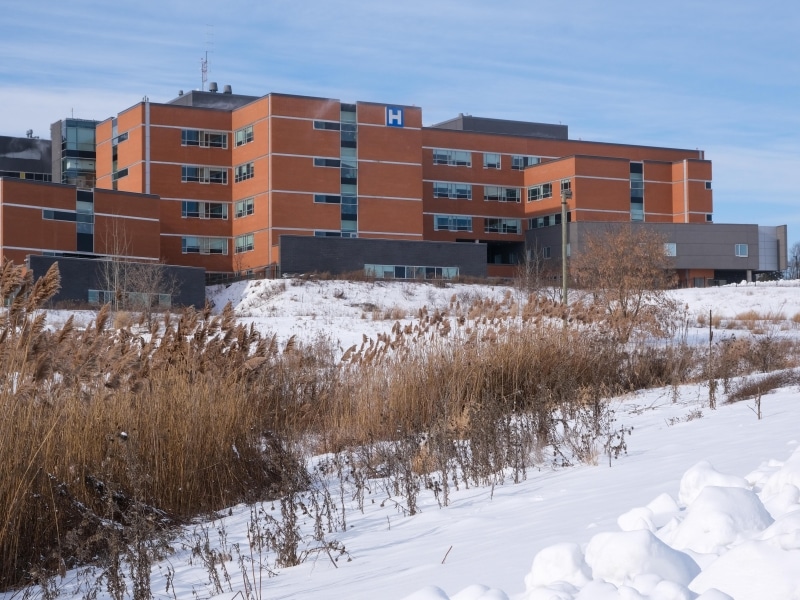
Mikula and Heighway both said that as they walk through the halls of PRHC, they are struck at how integral the contributions of donors have been to equipping the hospital. “There is not a single part of this hospital that has not already been touched by the generosity of our donors,” Mikula said.
But a walk through the hospital also reveals just how integral technological equipment has become to providing a high level of care, which begs the question why the government doesn’t fund it.
“I do think there's a general sense that [with] the rising cost of construction and the more rapid pace of change in technology, perhaps the current model needs a little bit of a rethink,” Mikula said.
Author

Related Articles

Alderville First Nation grants legal personhood to Rice Lake
Exploring an alternate solution to climate change, and a growing international movement
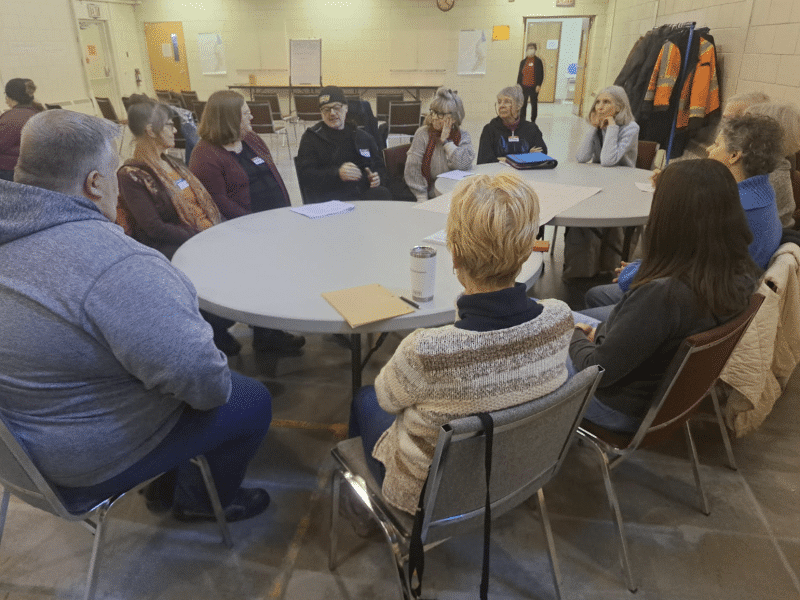
Promoting preparedness in East City
A grassroots movement aims to help neighbours out in the next big storm