Non-profit that serves people with disabilities to close membership, limiting community control of its governance
Community Living Trent Highlands plans to restrict its corporate membership at upcoming AGM. It’s part of a trend as civic engagement declines, one expert says.
As the parent of a daughter with disabilities, Linda Viscardis has been advocating for Peterborough to become a more inclusive community for decades.
“Unless and until every single person in our community is contributing their gifts and strengths, our community is lacking,” she said.
One of the ways Viscardis has put this belief into practice is by volunteering with Community Living Trent Highlands, an agency she always believed would “make sure that my daughter’s good life is going to be sustained.”
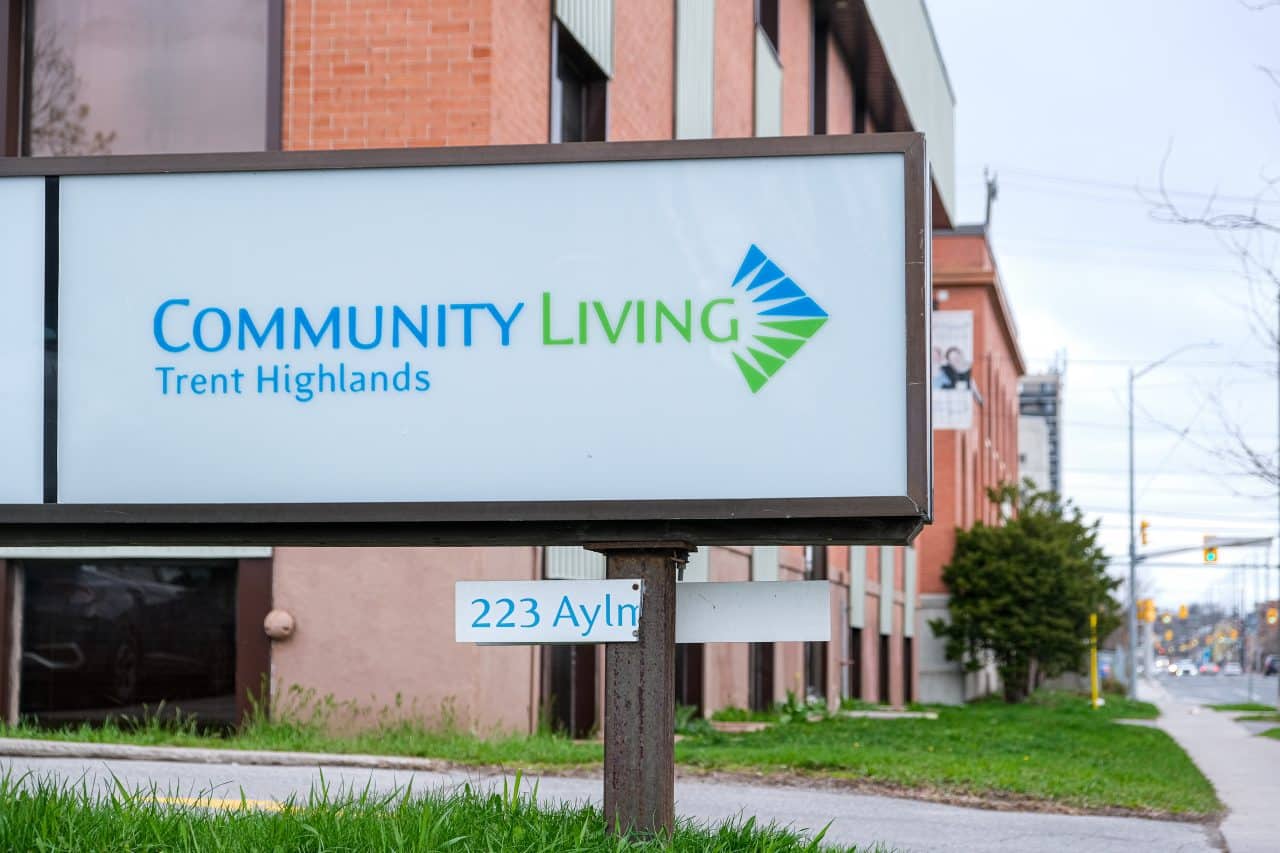
Community Living Trent Highlands (CLTH) “provides a range of services to people living with a developmental disability and their families,” according to its website.
Until recently, Viscardis was an active member of the non-profit organization, a role that entitled her to vote for its board members at annual general meetings, among other things.
Soon, she’s going to lose that right. Viscardis recently learned that CLTH is transitioning to a new membership model that will restrict who is eligible to exercise governance duties over the non-profit.
CLTH’s board of directors decided to close its membership in January, board chair Carol Kelsey confirmed, though the board still needs to formally approve the change at its annual general meeting this June.
Kelsey said declining membership was the main reason she and her fellow directors decided to do away with the organization’s open membership model, which allows anyone who makes a $10 donation to become a member and vote on governance matters during annual general meetings. Under the new closed membership model, only members of the board of directors will have that right, meaning the board alone will elect its successors.
That’s a concern for Viscardis. She said she wants a say in who sits on the board so she can ensure they believe in inclusion and have experience with people with disabilities.
CLTH was formed in 2017 through an amalgamation of the Community Living agencies in Kawartha Lakes, Haliburton, and Peterborough.
“The journey we’ve been on since amalgamation has just consistently been one of low membership,” said executive director Teresa Jordan.
Under Ontario law, the role of a non-profit’s membership is “to hold the non-profit to account,” explained Benjamin Miller, staff lawyer and policy advisor at the Ontario Nonprofit Network.
He said it’s comparable to the role shareholders play with a for-profit corporation. Non-profits answer to their members in the same way for-profit corporations answer to their shareholders.
Miller said there isn’t any systematic data available regarding non-profit membership models, but all the signs he’s seen suggest closed memberships are becoming more common. “We have every reason to think that open membership in the sector is in decline,” he said.
It’s part of a broader trend, Miller added. “Formal participation in civil society, more generally, is in decline,” he said.
Corporate membership declines as non-profits evolve and professionalize
The three agencies that amalgamated to form Community Living Trent Highlands traced their histories back to the mid-20th century, according to Jordan.
In those days, children with developmental disabilities weren’t included in the public school system. So parents banded together to find other education options. “They were fundraising to pay the salary of a teacher to teach their children,” Jordan said.
It was a grassroots movement, and the founders of the non-profit agencies chose an open membership model that enabled anyone who shared the mission of Community Living to vote on governance matters.
That was a long time ago. “In all these decades in between, the Ontario government has … developed this very careful[ly] funded infrastructure” for developmental services, Jordan said.
The shift has meant people with disabilities, along with their families and advocates, don’t need to be as concerned with things like treasurer’s reports and the election of corporate officers, she said.
That story is a common one, according to Miller. “Since probably the 1980s, correlated with increasing government funding, the non-profit sector has become increasingly professionalized,” he said, adding that there is research in the U.S. that suggests as non-profits professionalize they become “less and less likely to have an open membership.”
“There are higher risks to having open membership,” Miller said. Open membership can lead to public disputes over corporate policy, and there is always a chance members with alternative motives will organize to take control of the non-profit’s board.
But there are also advantages. Miller said non-profits with open membership tend to have an easier time recruiting volunteers and board members. They can also allow for better accountability by incorporating diverse viewpoints.
A culture of participation in non-profit governance might also be a sign of a healthy democracy. Miller noted that in the late-19th and early 20th centuries, non-profits were often considered to be “schools of democracy.”
But that idea “depended on a very active notion of what it meant to be a member.” That notion has fallen out of popularity, he said. “There are definitely costs to the health of our democracy that come with that,” he added.
Jennifer Debues, executive director of the Community Foundation of Greater Peterborough, said she understands the decision to move to a closed membership. “Open membership is a lovely idea — engaging and transparent,” she said. But it’s also “a lot of extra work at a time when nobody has capacity for that.”
“Just getting board members is a big challenge for charities,” Debues said. “With almost 200 registered charities in Peterborough, that’s a lot of volunteers who have to take responsibility for governance.”
Former CLTH member criticizes “frustrating” shift to closed membership
Linda Viscardis said her daughter, Laura, is almost 40 years old and “has multiple disabilities.”
“It’s really important for [Laura] to have a community that is welcoming and that embraces her and recognizes what she has to contribute,” Viscardis said.
Viscardis said she wants Community Living to be more than just a service provider for people with disabilities. She wants the agency to build “the capacity of our community to welcome and embrace people with intellectual and developmental disabilities.”
For example, Laura used to have a job at a local long-term care facility. But after holding down that job for more than a decade, Laura lost it at the onset of the pandemic, Viscardis said, and the long-term care facility won’t welcome her back.
“She really misses that income,” Viscardis said. “She lives well below the level of poverty.”
Viscardis sees an opportunity for Community Living to build a culture of inclusion among local employers so that people like her daughter can contribute their skills.
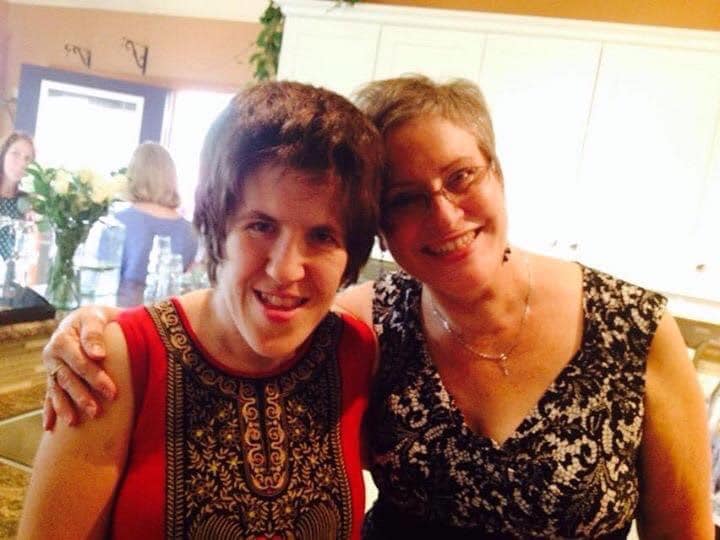
Fostering inclusion is a whole-of-community effort, Linda Viscardis said. That’s one reason why she believes there should be community involvement in the governance of Community Living Trent Highlands.
“When I was a member, I had a voice and a choice,” said Viscardis. “Having a say, for instance, about the board members that are going on the board is really, really important to me.”
Viscardis is worried about the state of developmental services across the province. She said she fears the sector is slipping back toward models that segregate rather than include, just like when people with disabilities were institutionalized.
Viscardis said she doesn’t believe the worst abuses of institutionalization will return, but she sees a connection between philosophies of segregation and the move to a closed governance model.
“Back in the day, they opened up the institutions and they said to families, ‘Don’t worry, we’ve got this. We’ll take your kid. We know what to do,’” she said. “And that’s what I think this membership decision is. I think it’s like, ‘Don’t worry, we don’t need your voice here. We don’t need your vote.’”
Rather than restricting membership due to a lack of interest, Viscardis wishes CLTH would put “more effort into building [its] membership beyond the clients that [it] supports and their families.”
CLTH will engage the community in new ways, executive director says
According to Jordan, the decision to close Community Living’s membership isn’t about resisting feedback and direction from the community.
It’s about engaging people in the way they want to engage, which these days isn’t through the structures of corporate governance, she said.
When CLTH first formed through amalgamation in 2017, there were 28 members in addition to board members, Jordan said. Within a year, that number had dropped to 16. Ever since, there’s been between 0 and 6 members in any given year, not including board members.
Jordan said the board decided it wasn’t worth investing time and resources in growing the membership program. Instead, they decided it would be more effective to use those resources to engage with the community in different ways. The board will hold her accountable to that commitment, she said. Once a year, she will report back to the board on how community consultations are shaping CLTH’s operations. And the board itself is committing to increasing engagement, Jordan said.
Miller said finding new ways to engage is key for non-profits that decide to close membership.
He noted that non-profit members actually perform “a fairly narrow range of pretty technical things” such as approving bylaws and electing board officers. And fulfilling those duties doesn’t necessarily mean members are engaged, he added.
It’s possible, Miller said, to have “vibrant engagement and governance without the members necessarily doing all those very technical things.”
But he said non-profits run into trouble when they don’t engage people as members and then don’t find any other ways to engage either. When that happens, “there’s no way for the community to exercise their control over things.”
Author

Related Articles
Alderville First Nation grants legal personhood to Rice Lake
Exploring an alternate solution to climate change, and a growing international movement
Promoting preparedness in East City
A grassroots movement aims to help neighbours out in the next big storm