
How Peterborough and other municipalities are adapting to extreme heat
As Peterborough plans for the impacts of climate change, an innovative strategy in BC tries to protect vulnerable renters

A mass of warm air rolled in over British Columbia in late June 2021 and then became trapped there, unmoving, for a full week. The province reached the hottest temperature ever recorded in Canada and then broke the record again the very next day, peaking at 47.9 degrees C (118 degrees F) in Lytton, BC on June 28.
Emergency switchboards and hospitals were overrun. By the time the heat broke just after Canada Day, at least 619 people were dead, and the province was left reeling by a new kind of crisis.
“Our bodies aren’t meant to operate under these kinds of temperatures,” explains Deanna Leahy, public health promoter at Lakelands Public Health. She notes that excess temperatures can lead to heat exhaustion and heat stroke, and are particularly dangerous for people with pre-existing health conditions. “The way that it stresses the body, and especially stresses the heart. People with heart health conditions, respiratory conditions, or kidney-related diseases are at greater risk.”
Indeed, a coroner’s report prepared after the BC heat dome notes that two-thirds of the deaths were seniors and 80 per cent had chronic illnesses. Leahy notes that pregnant people, children, and people on certain medications are also particularly susceptible to the heat.
Peterborough hasn’t yet experienced a heat event as extreme as the 2021 BC heat dome, though it has seen its fair share of climate change-related extreme weather events in recent years, including the 2022 derecho and the 2025 ice storm. While the summer of 2026 turned out to be relatively mild in Peterborough, summer heat is trending higher. By the 2050s, models suggest that Peterborough will see at least 26 days where temperatures spike beyond 30 degrees C, every summer.
“In 2021 in BC, we could honestly say that we didn’t see it coming,” says Nadine Nakagawa, city councillor in New Westminster, BC. “When the next heat dome comes – when, not if – we cannot say again that we didn’t know and we weren’t prepared. We know it’s coming, so we have to take action.”
In BC, the heat dome became a catalyst for new legislation and innovative strategies to protect vulnerable people impacted by climate change, including new, first-of-its-kind rules for landlords that protect renters by setting maximum safe indoor temperatures in rental units.
As climate scientists announce that we’ve crossed the threshold for at least a 1.5-degree rise in global temperatures, Peterborough’s government and public health authorities are seeking new, local responses to an increasingly hotter globe.
The local weather response network
On June 29, 2026, as Peterborough entered its first multi-day heat event of the year, the city put out a media release, Staying Cool as Temperatures Soar, listing city facilities where residents could go to cool down. It included public buildings, splashpads, beaches, and water refill stations, and also directed people towards the city’s interactive Cooling Spaces Interactive Map, with the same information. At the same time, an alert went out on Alertable, a free mobile app that the city uses to notify citizens of important updates and pass along weather alerts.
“In emergency management, there’s a lot of coordination,” says Brea Keeling, advisor in the city’s Emergency and Risk Management Division, who were responsible for these public releases. Her division has been developing “hazard-specific plans that we use as guiding documents for our responses,” but it can be difficult because “events are fluid and fast-changing, so we can’t just have a one-thing-fits-all solution,” meaning that local authorities rely on partner agencies to guide their work.
“We work closely with Emergency Management Ontario,” says Keeling. “Any of the weather alerts that are released, we typically have a meeting with Environment and Climate Change. From there, as city emergency management representatives, we can create and coordinate media releases to provide updates.”
A local network of organizations, the Extreme Temperature Network, is also activated during these periods. Spearheaded by Lakelands Public Health, the group also includes representatives from the city government as well as other community partners, who meet during extreme heat events as well as on an ongoing basis.
“We come together every two or three months,” says Deanna Leahy. “It’s an opportunity for Public Health and all of the members to share information, questions, and experiences from different weather events that these community agency reps can bring forward from their population.”
She notes that the group includes non-profits that serve populations that are known to be particularly vulnerable during extreme heat events, like unhoused people and senior citizens, and has resulted in an “agency toolkit that incorporates some of the learning and information from the network.”

The Extreme Temperature Network is a newer addition to the city’s emergency response, organized out of recommendations put out in the 2020 City of Peterborough Community Climate Change Resiliency Strategy, one of the most comprehensive assessments to date of the possible effects of climate change in our community.
The report looks at extreme heat, extreme cold, and extreme precipitation/flooding, assessing areas where Peterborough is vulnerable and laying out a list of 62 recommended actions, from infrastructure improvements to education campaigns to improving coordination and organization between different agencies.
“We’re maintaining our green spaces and our tree canopy,” says Leahy. “We’re building up places where people can spend time and congregate that have those cooling components. There are things that governments can do, like to offer misting stations, that are on municipal governments’ radar.”
As the City creates plans for adapting to the ongoing effects of climate change, the Climate Change Action Plan lays out a framework for mitigating climate change on a local level, by charting a path towards net-zero emissions in the city by 2050. It recommends a series of “Big Moves,” including shifting away from fossil fuels and towards local power generation, updating land use policies and promoting green development, supporting public and sustainable transportation, and growing the local tree canopy.
“Adaptation will be a journey,” said Dr Thomas Piggott, Peterborough’s medical officer of health, in the introduction of a 2023 vulnerability assessment compiled by public health, “and reducing the negative health outcomes brought about by the climate emergency will require all of us to adapt. But, if necessity truly is the mother of invention, then it is time we also seize this opportunity to build a better, healthier world.”
Setting a maximum indoor temperature for renters
In New Westminster, BC, a city about the same size as Peterborough, the 2021 heat dome resulted in 33 deaths, most of which were concentrated in one small area, Brow of the Hill. “It’s these three- and four-storey wood-frame buildings from the 1970s, and they got deathly hot,” says New Westminster city councillor Nadine Nakagawa. “You’ll also see that it’s the lowest income neighborhood of New West. A lot of newcomers, seniors, people with disabilities, and it’s also the lowest tree cover. So a lot of factors overlaying here.”
This same pattern played out across the province: the coroner’s report notes that most of the deaths from the BC heat dome were people living alone, and 98% of the deaths occurred in spaces without adequate cooling.
This tragedy spurred Nakagawa and the New West city council to action, with a flurry of new bylaws and systems to address the situation for low-income renters. They banned rental clauses that prevent tenants from operating air conditioners (which are common in units where the landlord pays for utilities), distributed free air conditioners to low-income units, and created a renter’s office, where tenants could go in case of landlord issues.
But the action that’s received the most attention on the national stage was that New Westminster became the first municipality in Canada to implement a maximum indoor temperature bylaw for residential units. Landlords within New Westminster are now required to provide at least one room in the unit with a temperature below 26 degrees C, between the hours of 8pm and 8am.
“It could be air conditioner, shading, glazing, heat pumps…. It doesn’t matter to us,” explains Nakagawa. “The point is that it’s a responsibility of the building owner, not the tenants, to find a solution.”
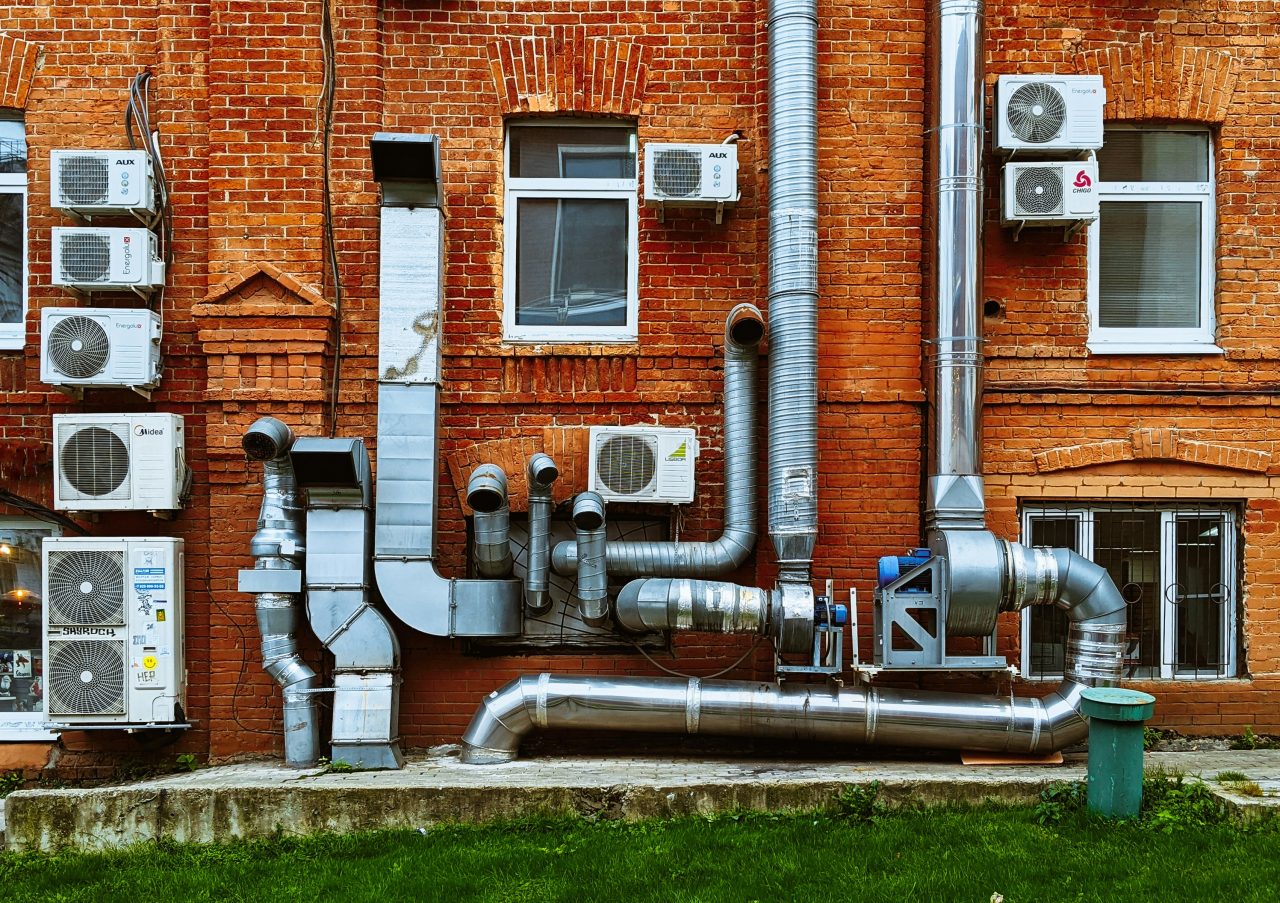
The 26-degree standard is based on years of research by the University of Ottawa’s Human and Environmental Physiology Research Unit, which has determined it’s the threshold at which the body starts having significant negative health effects. “Let’s be honest,” says Nakagawa, “26 degrees is not a cool apartment, but we’re trying to prevent deadly hot apartments, and so that’s the number that’s been recommended.”
Maximum heat bylaws are not without controversy. Some have expressed concern that they could be a pathway towards ‘reno-victions,’ as landlords use the excuse of necessary upgrades to oust tenants. (New Westminster happens to be one of the few municipalities in Canada with bylaws to regulate undue reno-victions.) Landlords have complained about the extra expense.
“My answer is that it should be the cost of doing business,” says Nakagawa. “If your business is renting out housing, that housing should be livable. We have that standard elsewhere, around things like heating. So I really feel like it just needs to be one more one more way that we need to adapt.”
Temperature bylaws across Canada
While maximum temperature bylaws are a new concept in Canada, minimum temperature bylaws have been in place for decades. The Ontario-wide Residential Tenancies Act defines heat as a “vital service” during the winter months, and forces landlords to keep units a minimum of 20 degrees C between September 1 and June 15. Many municipalities impose even stricter standards: Peterborough’s Minimum Property Standards bylaw mandates a heating system capable of maintaining 21 degrees C “in all habitable rooms, bathrooms and water closet rooms.”
“The cold stuff is something we’ve been dealing with for a long time,” notes Annie Hedden, manager of Peterborough’s Housing Resource Centre, “so we have legislation and precedent, and we know how that works. But heat is a newer issue.”

Hedden notes that Canadian human rights law already mandates that landlords provide “safe and adequate” housing for their tenants, and this would include ensuring safe, liveable indoor temperatures. However, human rights cases can take years to process and are the laws are hard to enforce at a local level. “I feel like the municipality is maybe better placed” to deal with this issue, says Hedden.
City officials confirmed to Peterborough Currents that a maximum temperature bylaw has never been a topic of discussion at Peterborough city council, but across Ontario, conversations are heating up. Hamilton has been exploring the possibility of maximum temperature bylaws, and staff in Toronto are writing up a bylaw to present to council as early as June 2027. Mississauga already has a form of maximum temperature bylaw in place, but it only applies to units that already have air conditioning, meaning many of the most vulnerable apartments are left out.
At Queen’s Park, Ottawa Centre MPP Catherine McKenney has introduced a private member’s bill that would set a province-wide maximum temperature for residences. This bill will be voted on when Queen’s Park returns to session in late October, but it’s considered a longshot, as the Ford government has not committed to supporting the bill.
“We’re looking at 2027 now,” says Nakagawa. “If this particular bylaw isn’t the answer for you, then what is? I think we need to be creative. During these types of heat events, the most unsafe place should not be your home, and that’s what it is right now.”
Author

Related Articles

Riel commits to investing in buses
Would support Transportation Master Plan as mayor, despite uneven record as councillor

What do transit users think of the transit system?
Most voters in Peterborough never ride the bus

Alderville First Nation grants legal personhood to Rice Lake
Exploring an alternate solution to climate change, and a growing international movement
