
A century on, descendants of early Chinese restaurant owners still run businesses in Peterborough
Local restaurateur and bar owner Shannon Mak’s great grandfather ran a downtown Chinese restaurant starting in the 1910s
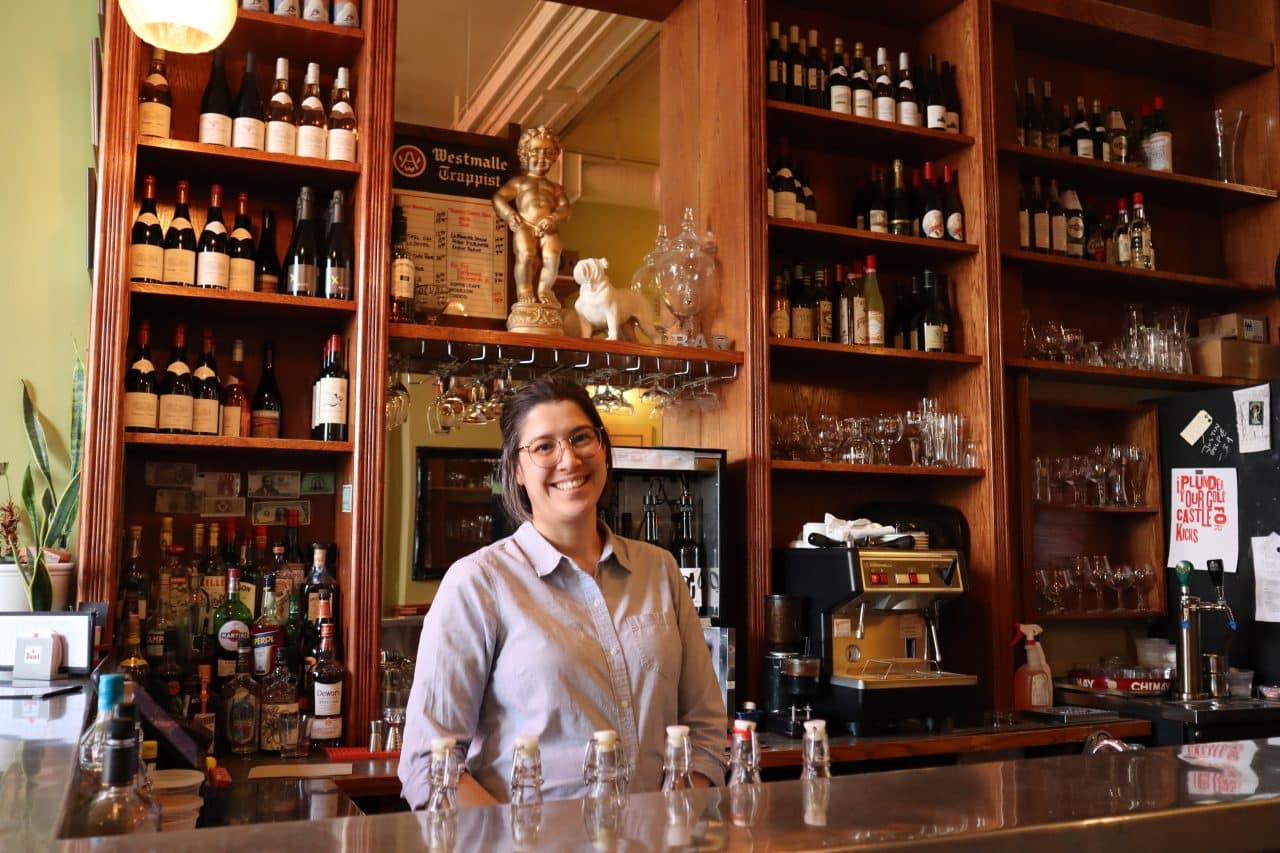
When Shannon Mak opened Le Petit Bar (now called Bijoux Bar) on Water Street in 2012, it was the continuation of a long family history in downtown Peterborough.
Starting in the early 1900s, Mak’s great grandfather Jim Hum owned a popular Chinese restaurant just three blocks from where Bijoux Bar is located today.
Hum was one of the earliest Chinese business owners in Peterborough, taking over ownership of the city’s first Chinese restaurant with his brother in the 1910s, according to research by University of Victoria historian Zhongping Chen.
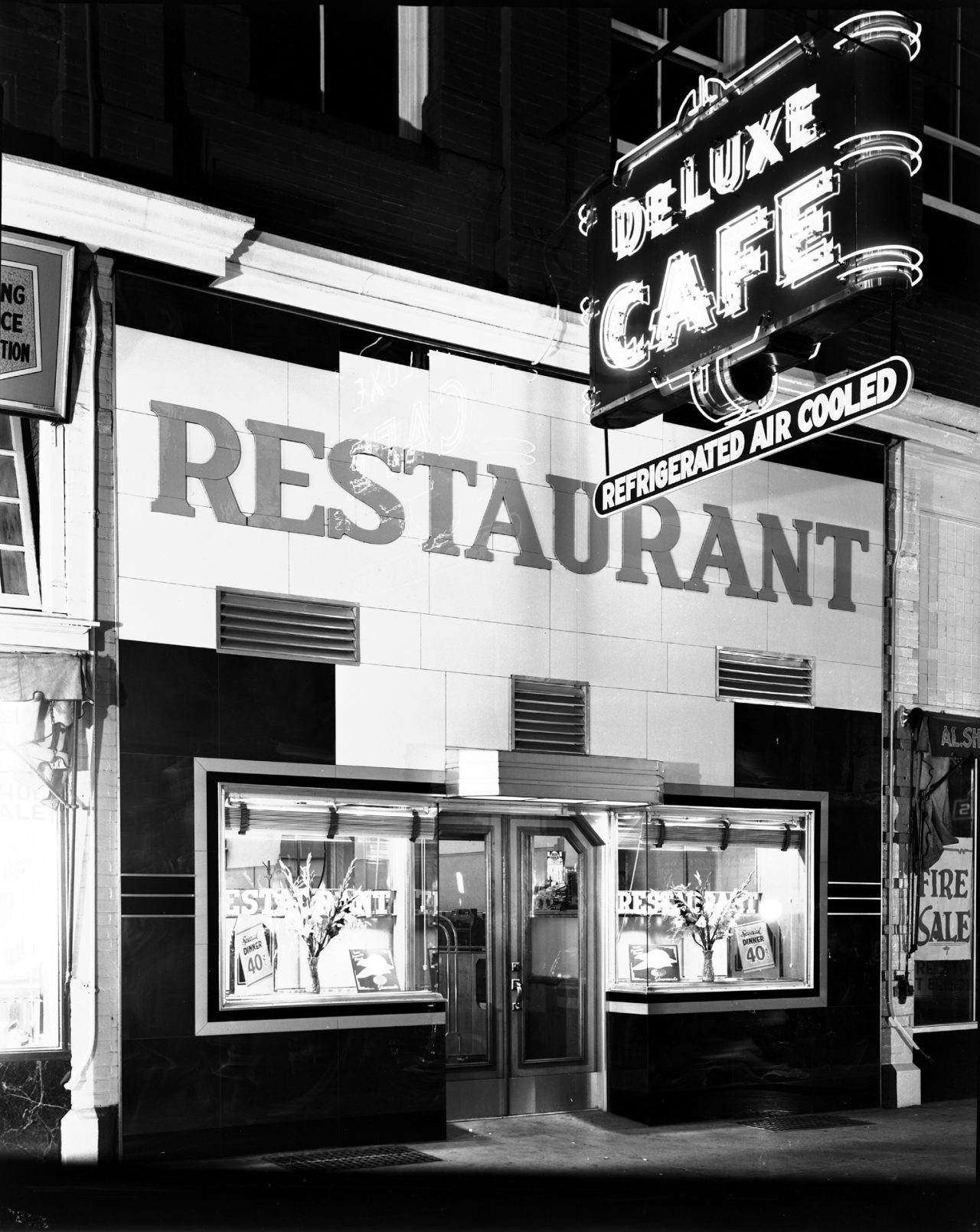
Dating back to 1906, the Dominion Chinese Cafe stood under the Market Hall clocktower, near the corner of George and Charlotte streets. By 1937, the Hum brothers decided to give the eatery a fresh look and new name – the Deluxe Cafe. It stayed in the family’s hands until closing in 1973.
Peterborough’s early Chinese community was “fairly vibrant,” according to Mak, and included a number of business owners like her great grandfather. But unfortunately many of their stories have gone untold, she said.
“I think, sometimes, as immigrants, it might feel safer to keep some of these successes quiet,” said Mak, who also co-owns St. Veronus Café and Tap Room with her husband Roland Hosier and sits on the board of directors of the Downtown Business Improvement Area. “But they are important stories that should be told.
“They should be recognized for their contributions to the city, too,” she said.
“Not a very popular member of my family”
But despite the important role her great grandfather played in Peterborough’s early Chinese community, Mak said within her family he is remembered as a difficult figure.
“I will say he’s not a very popular member of my family. He’s not spoken about in any kind of kindness,” she said.
Although he owned a business in Peterborough, Hum made multiple trips back to China in the 1920s and 1930s, where he married and had children, according to research by Chen, who has written multiple articles about Peterborough’s early Chinese community. One of those children was Mak’s grandmother.
According to Mak, the tension in the family started when Hum broke ties with his wife and children in China to remarry in Canada. (Chen wrote that Hum “lost contact” with his first wife during the 1937-1945 war between China and Japan.)
Despite the family’s rupture, Mak’s grandparents later followed Hum, her grandmother’s father, to Peterborough.
It was Mak’s late grandfather, Yu Chu Mak, who came first, after Hum agreed to give his son-in-law a job as a cook at the Deluxe Cafe. After arriving in the mid-1950s, it took him years to save enough money to bring his wife and three children, including Mak’s father, over from Hong Kong. Sadly, Mak’s grandmother died shortly after arriving, she said.
Mak said her grandfather didn’t talk about his time working in the restaurant much. “I think it was a period of hardship for him,” she said. The family tension made for a strained relationship between her grandfather and great grandfather, she said.
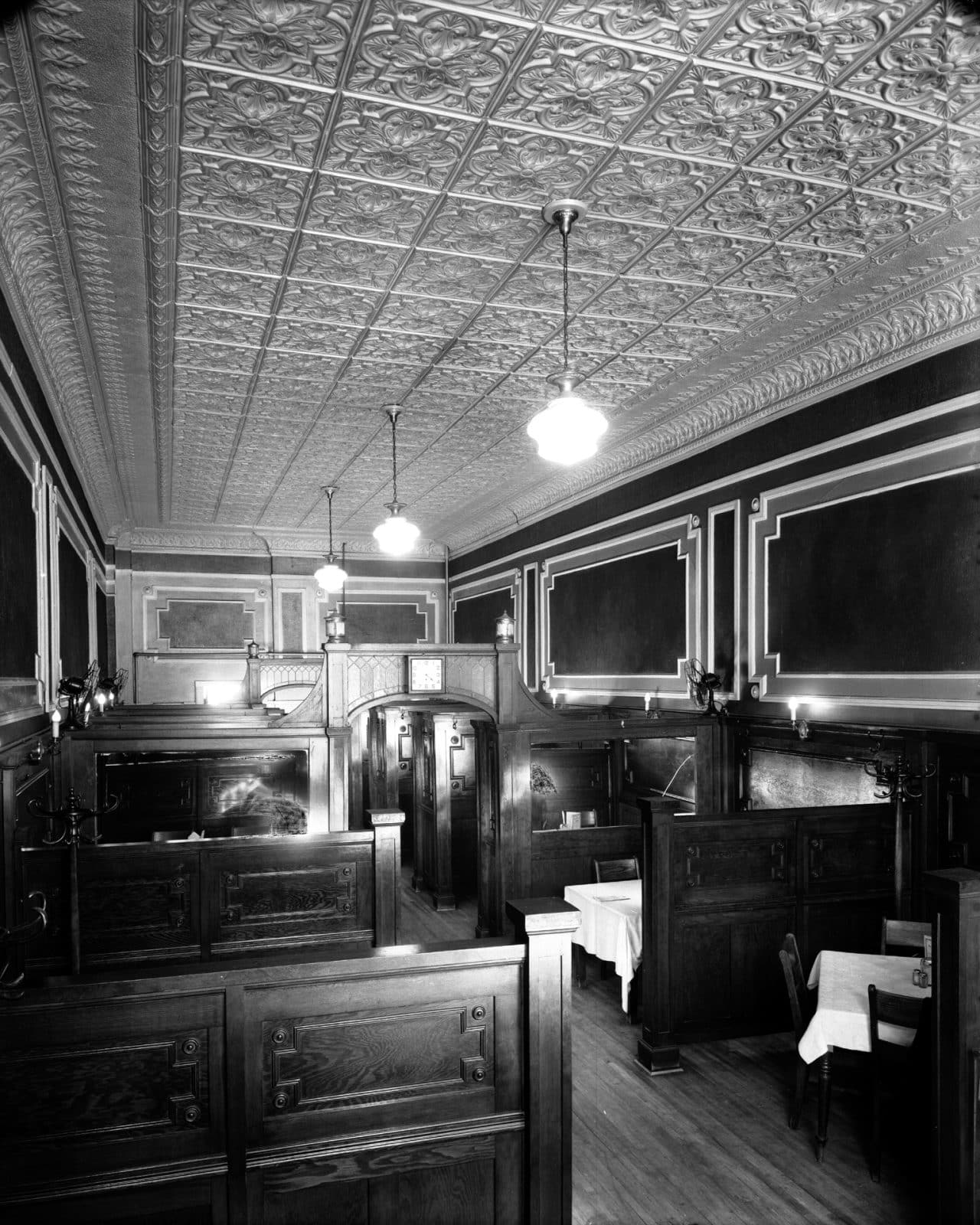
Jim Hum was a respected businessman in the city, counting some city clerks and policemen, as well as former mayors Jack Doris and Stan McBride, in his wide circle of friends, according to Chen.
While racism was “rampant in Canadian society until the late 1940s,” writes Chen, it “did not really prevent the Chinese in Peterborough from developing sincere friendships with many white people through close daily contacts and cultural exchanges.”
He documents many examples of the racism the local Chinese community faced in that period – including police raids on their businesses and harassment by other city residents. In 1918, a mob stormed three Chinese-owned businesses in nearby Lindsay, smashing windows, breaking furniture and dishes and looting the cash register of one. Some players on a visiting Peterborough hockey team and their hometown fans “were prominent in the rioting,” a Linsday newspaper reported. This daily discrimination was mirrored by racist federal government policies and laws, such as the Chinese Head Tax, which required each Chinese immigrant to pay a tax to enter the country from 1885 to 1923.
Mak said she is the first member of her family since her great grandfather to own a business in Peterborough. She was born in Scarborough, but when she was in high school her father moved the family back to Peterborough, where she’s now lived for three decades. Despite her deep roots in the city, Mak said she still doesn’t feel like a “real Peterborough person.”
“There’s like, four generations of my family that have lived here, but I don’t think anyone, including myself, would ever consider us like a Peterborough family,” Mak said. “I think that that speaks a little bit to being othered and just like an outsider in a community.
“Mostly, I get asked where I came from, you know?”
Still, the city is a “great place to be a small-business owner,” she said. “I guess you could say I’m proud to continue the legacy of our Mak family contributing to the community of Peterborough.”
Carrying on a century-long “legacy of entrepreneurship”
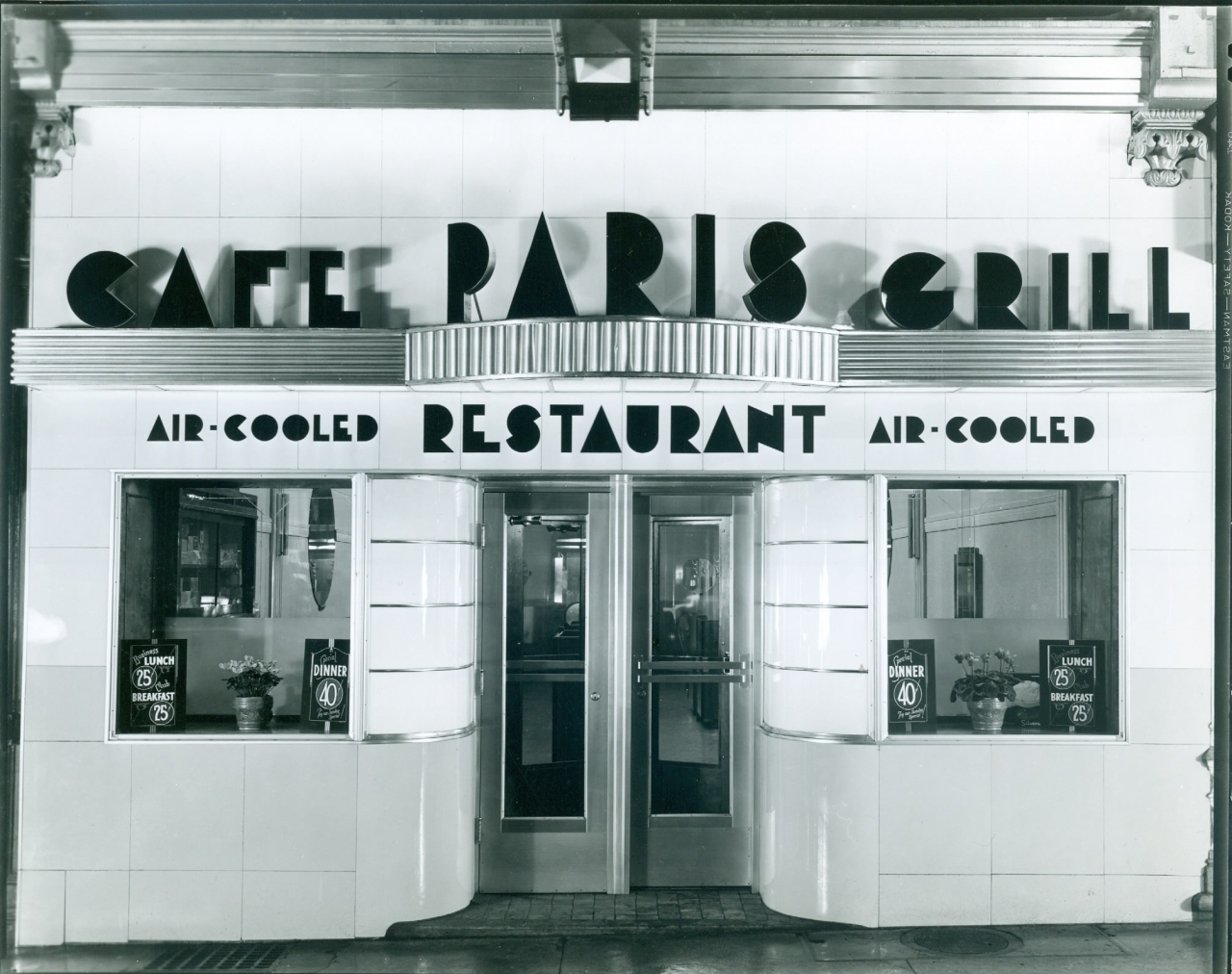
Peterborough saw 13 Chinese restaurants open between 1906 and 1951, according to Chen’s research. Some lasted a couple of decades, others closed within a few years. But one remained a George Street institution for nearly a century, before serving its last meal in 2012.
With its huge blue, red and yellow sign hanging out front, Hi Tops Restaurant was impossible to miss on Peterborough’s main drag. A Chinese immigrant named Hum Hoy founded the eatery as the Paris Cafe in 1918. (Hum Hoy and Jim Hum, the owner of the Dominion Cafe and Deluxe Cafe, were part of the same family lineage from southern China, according to Chen.)
The name changed to Hi Tops in the 1950s, but the restaurant, located at 415 George Street, continued to be run by different generations of the Hum family for 94 years.
When its doors closed for good, it was like losing a family home for Victoria and Elissa Hum, who, along with their sister Ashley, spent much of her childhood and teen years at the family business.
“We had our birthday parties there,” Victoria said in an interview. “My baby shower was there.”
The sisters could often be found doing homework at a back table in the dining area. When they reached high school, they began taking phone orders, packing deliveries and serving meals alongside their parents.

Key to Hi Tops’ success over the years was its homecooked food, affordable prices, and friendly atmosphere, according to Victoria. She said her late father, Ed Hum, who owned the restaurant up until it closed, “always had a smile on his face.”
In an email, Elissa said it was emotional to say goodbye to the restaurant, “but we understood it was the end of a chapter built on generations of hard work and resilience.”
After Ed Hum passed away at age 63 in October 2020, Peterborough-Kawartha MPP Dave Smith held back tears as he rose in the Ontario legislature to pay him tribute. “That is far too young for someone who has done so much for our community to leave us,” he said.
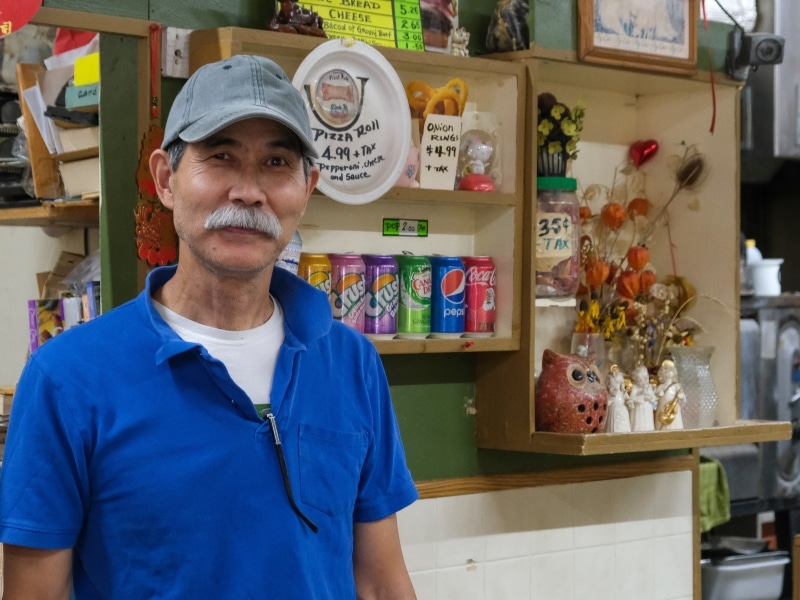
Wynne Hum, Ed Hum’s sister, worked in the family business, too, starting in the mid-1970s. Hi Tops was a popular spot to grab a bite to eat after a night of dancing at that time, she said in a text message.
“We were open late till 2:30 a.m. on weekends,” she said. “Downtown was a busy and vibrant area. It was safe to walk around, not like today.”
On top of running the restaurant, Ed Hum owned two laundromats – the Wash-O-Mats on Charlotte and Water streets – and ran another business renting out arcade machines, according to Victoria Hum. “He was busy, but he made time for family,” she said.
Elissa Hum is now continuing the family’s century-long tradition of operating businesses in Peterborough, having taken over running the laundromats after her father’s death. She said it means a lot to be able to continue her family’s “legacy of entrepreneurship.”
“Knowing our roots [in Peterborough] stretch back over a century fills me with pride,” she said.
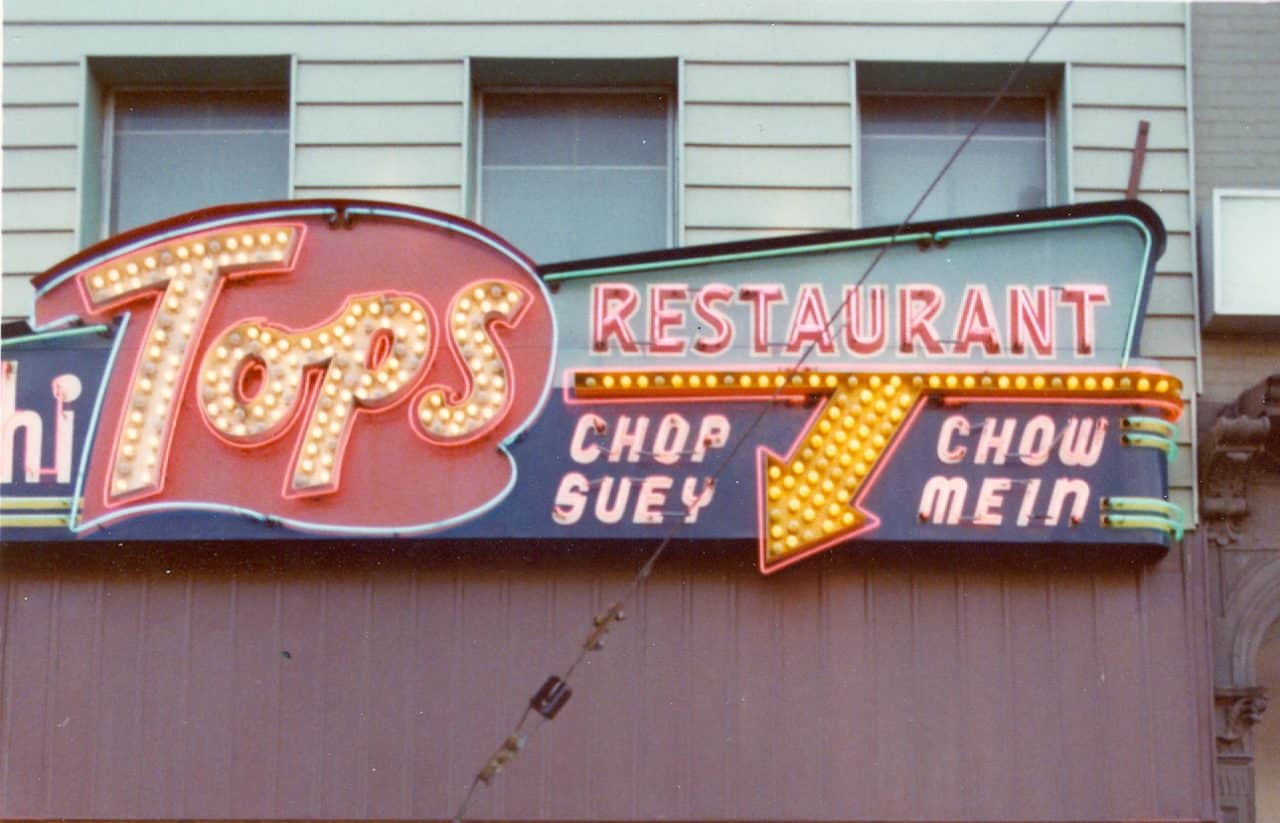
Hi Tops’ disappearance from downtown closed a chapter on the history of Peterborough’s Chinese community. But an important symbol of that history – the restaurant’s iconic, five-metre-long sign – has survived.
Peterborough arts producer Bill Kimball came to own the sign after he happened to pass by as workers removed it from the building’s facade in 2013. Ed Hum told Kimble the 50-plus-year-old piece of commercial art was his for the taking, according to the Peterborough Examiner.
The sign has moved around to a few places in the downtown since then; for a few years it was on display at the Spill Bar and then Hot Belly Mama’s restaurant, until both closed. In 2021, downtown clothing store Gentry Apparel agreed to store the sign in an unused area, while Kimball tried to find a way to restore it and put it back on public display, according to the Examiner.
To see the sign for her family’s restaurant hanging prominently again one day would be a “meaningful reminder of where we came from and how far we’ve come,” said Elissa Hum.
Her sister agreed.
“For decades and generations, it stood as a symbol of our family, our hard work and the memories we shared with the community,” Victoria said in a text message. “It’s a piece of Peterborough’s history, and seeing it lit up once more would bring back so many memories.”
Author

Related Articles

Self-esteem coach. TV camera operator. Blacksmith. Volunteer fair showcases some unexpected ways to give back.
With volunteering on the decline in Canada, Volunteer Peterborough is trying to make it easier to contribute

Meet Marjorie, the giant Newfoundland dog spreading joy at a Peterborough retirement home
“I think dogs are nicer than most people,” said a Royal Gardens Retirement Residence resident who looks forward to the therapy dog’s weekly visits.

“A very important election”: Peterborough voters say casting a ballot has never been more critical
U.S. threats are top of mind in this election, but other important issues are being overshadowed, local voters say
