
The soft power of the monarch butterfly
The Monarch Ultra introduces viewers to the epic monarch migration — and the local runner who followed the butterflies all the way to Mexico
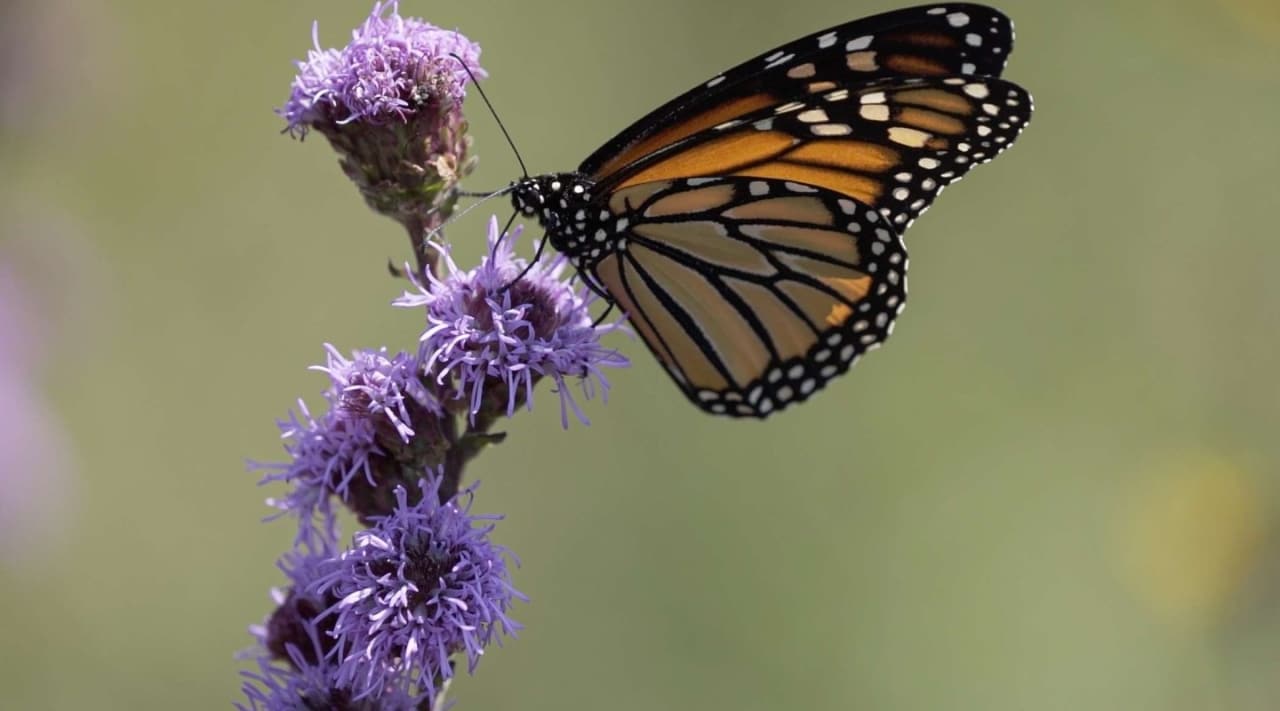
Local documentary The Monarch Ultra will screen at this year’s Reframe Film Festival, introducing viewers to the epic, transnational migratory journey of the endangered monarch butterfly.
Each year, millions of monarchs travel thousands of kilometres from their northern breeding grounds in North America to their winter habitat in central Mexico.
And in 2019, Peterborough landscaper, runner, and nature-lover Carlotta James led a mighty group of volunteer athletes on a 4,300-km relay race that followed that migratory path from Peterborough to Mexico.
“Whenever I run in the summer months here in Canada, I see pollinators all around me,” James says in the film. “I sort of go into their bodies and just imagine what it would feel like to fly such a long distance to Mexico.”
The Monarch Ultra, which was made by local filmmaker Rodney Fuentes, follows James and the other runners on their southward pilgrimage in a moving tale that transcends borders and emphasizes the profound ways human beings take our relationship with the natural world for granted.
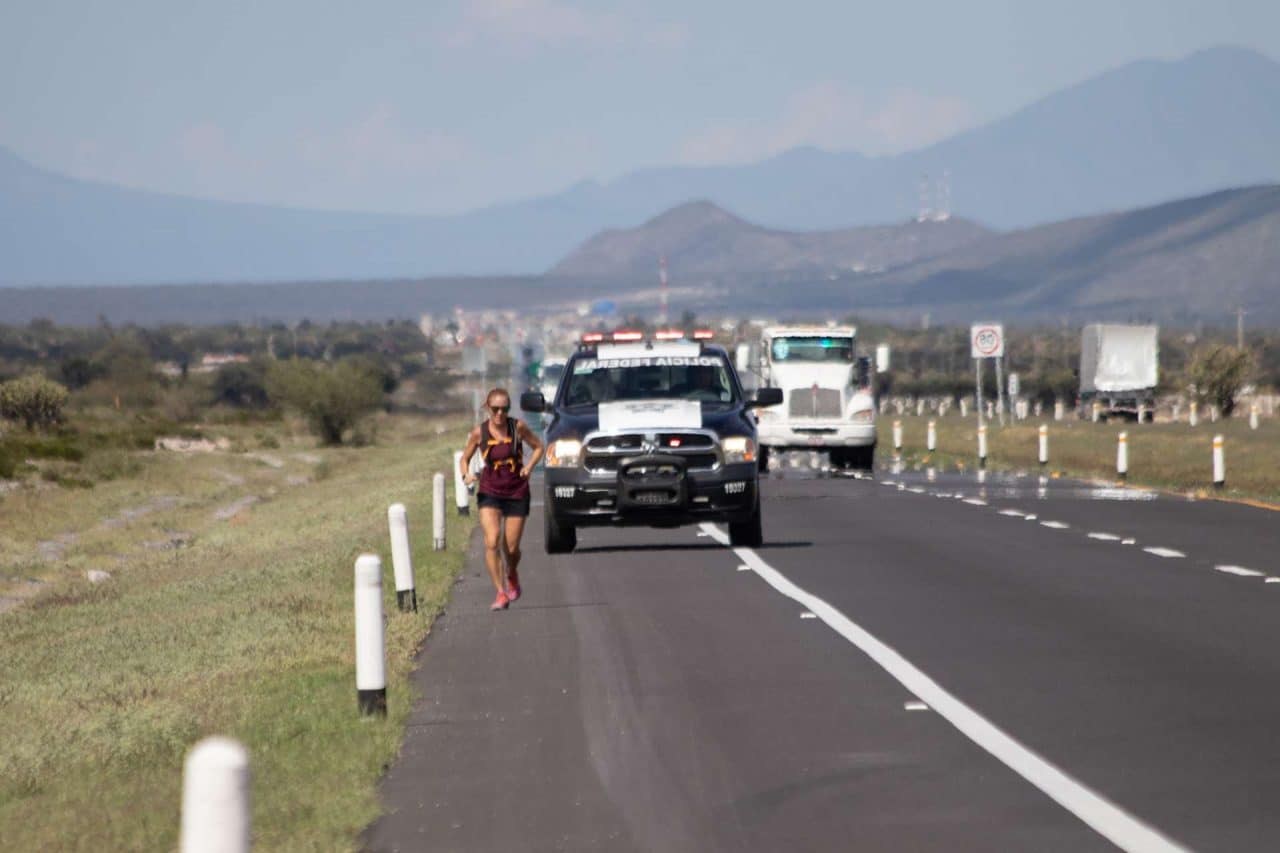
Over the course of 47 days, James and her team make their way through a varied set of landscapes and diverse communities as they pass through more than 400 cities in Canada, the United States, and Mexico. As their journey progresses, the monarch butterfly becomes a symbol representing the unification of communities across North America that suffer from similar environmental issues.
In the same year the run took place, the National Butterfly Centrer in Texas was under threat due to the construction of the border wall between Mexico and the United States.
“It was pretty dark and ironic, because we were trying to connect these three countries, Canada, the States and Mexico, with the monarch migration,” James told Currents. “And at the same time, there were leaders that were trying to build these walls to create a massive divide between people.”
Butterflies “don’t care about borders,” James said. “But what they do care about are native gardens and plants and water that they can have for their journey.”
As the group travels south, they notice the issue of lack of habitat on a large scale. They stop in Bryan, Ohio, and visit the first pollinator garden planted in that community, an initiative led by teacher Amy Von Deylen and her students. “Our mission has been to get the whole community excited” about pollinators, Von Deylen says in the film.
According to Wild Preservation Canada, butterflies are distinctly suited to pollinate certain plants, and without these specialist pollinators, native plant life would be unable to reproduce. To thrive, butterflies need a diverse range of native plants, and that’s why establishing pollinator gardens is helpful. “The beauty of the conservation of monarchs is that we can actually all participate,” Jode Roberts from the David Suzuki Foundation says in the film.
James herself runs Three Sisters Natural Landscapes, a landscaping business based in Peterborough that prioritizes pollinator-friendly habitats and gardens.
It’s been over five years since James and her team completed their epic marathon. But the team is continuing its advocacy for monarchs. Their annual Monarch Festival, which includes a 10-kilometre and 1-kilometre race, raises funds for Mexican conservation groups that work to protect forests and butterfly habitat.
And now that the film is completed, James plans to use it as an advocacy tool. She called the experience of watching the film “electrifying,” and credited Fuentes for putting the story together so well.
James’ and Fuentes’ next goal is to get the film playing at film festivals across North America, and hopefully also in schools so that young people can be inspired by it.
James said she hopes young people can watch the film and “feel really empowered with the knowledge that they can run for monarchs and they can build a garden. They can pressure their governments to support monarch butterflies and other pollinators.”
The Monarch Ultra will be screened as part of the Reframe Film Festival at 10 a.m. on Friday, Jan. 24th, at Market Hall.
Peterborough Currents is happy to publish this story about the 2025 Reframe Film Festival. As a sponsor of the festival, Currents committed to providing coverage of it, but we maintained editorial independence over our content throughout.
Author

Related Articles


Mikey and Corm’s sober song
Cormac Culkeen and Michael Cloud Duguay share a deep musical bond that was “reshaped by recovery.” Here’s how quitting drinking brought them back to Peterborough — and back to their friendship.

Citing burnout, the creative minds behind Peterborough’s Theatre on King will take a final bow this spring
Ryan Kerr and Kate Story are resigning their roles at TTOK, but the black box theatre will continue under new leadership
