
Curve Lake filmmakers showcase their stories at Reframe Film Festival
Six short films by Curve Lake citizens reveal the power of land, ancestral bonds and Anishinaabe culture
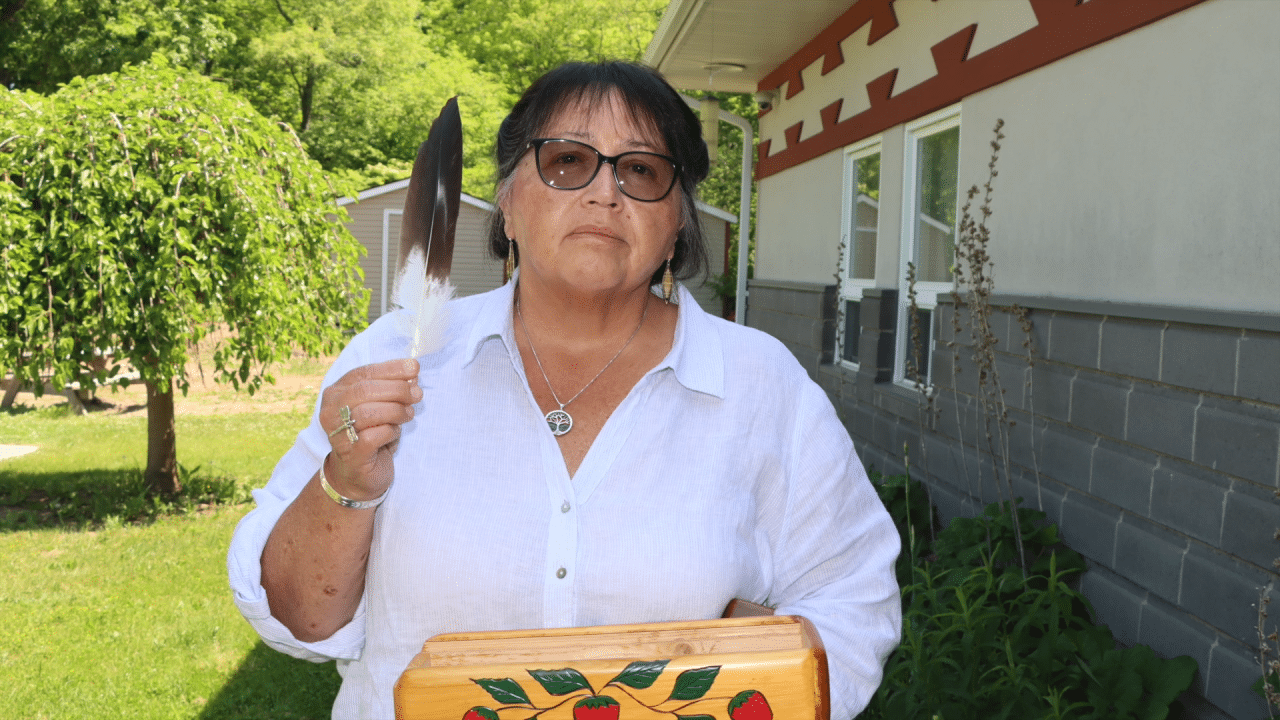
In her short film My Beginnings, Curve Lake filmmaker Marilyn Knott recalls happy childhood gatherings with family sharing food on the shores of Lovesick Lake, eating fry bread and fish that would “melt in your mouth.”
The feasts catch the attention of a local farmer, who asks Knott’s grandfather why they enjoy such “big lunches” with “lots of food.” It is because an Indian agent once tried to “starve” the family by forcing them to rely on limited rations, the grandfather responds.
As we watch and learn about Knott’s young life, it is powerful to see how the joy and abundance she associates with her early years is partly a response to more difficult life circumstances created by white supremacy and colonialism.
Her family went on adventures, berry picking and boating. She recalls a time eating cherries in a tree that tasted “so much better than the ones in the store.”
Knott shares a deep connection to her maternal grandparents who created a “safe space” full of “love and protection.” She remembers her Papa paddling up from Lovesick Lake for visits with her and her mother. In Knott’s story, the comfort and protection of the land in and around Curve Lake manifests in rich nourishing meals and waterways that connect and bind her relatives together.
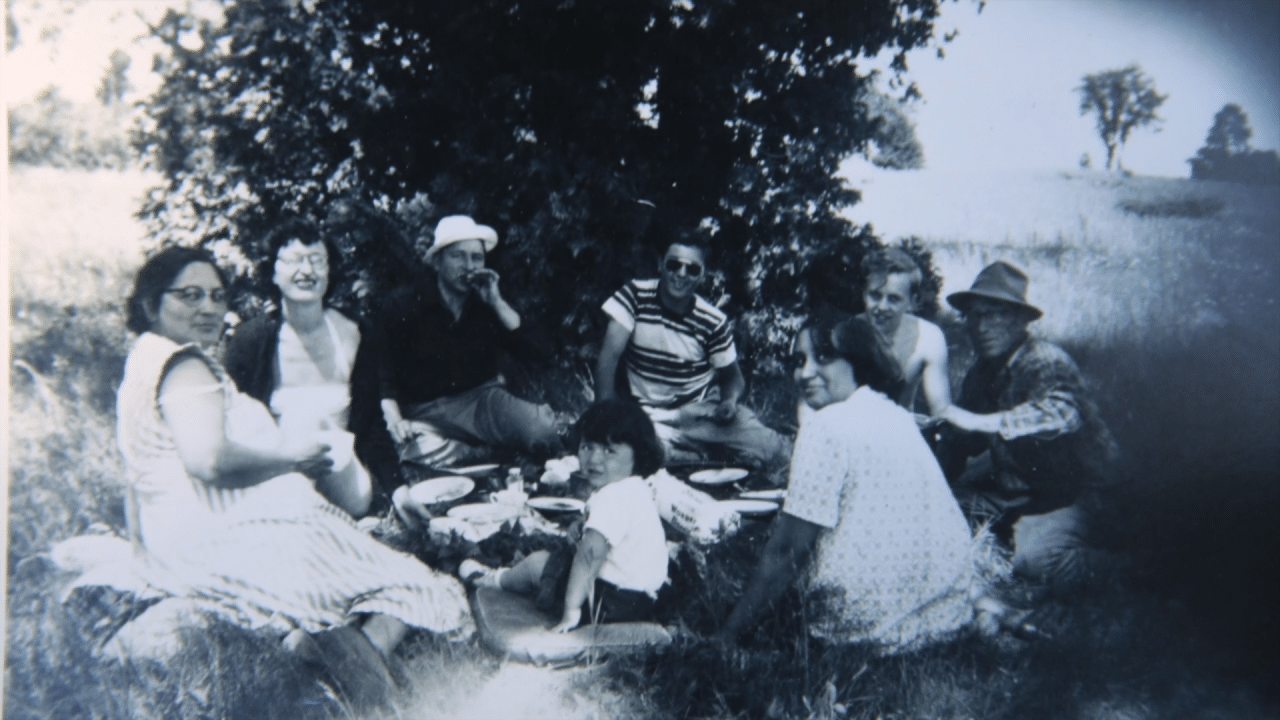
My Beginnings is one of six short films in a program screening at the 2024 Reframe Film Festival titled Wshkiigmong Dibaajmownan/Curve Lake Storytelling. The films offer touching testimonials of the lived experiences of the storytellers and their relationships to each other and to their Anishinaabe culture and knowledge.
In different ways, each of the six films touches on the significance of elders and the filmmakers’ connections to ancestors who came before. During difficult times, the filmmakers call upon and evoke the strength of these figures while navigating life in their community and beyond.
In the short Turtle Crossing, Jonathan Taylor describes his late grandmother Bernice as “magic.” During the stressful leg of a job surveying a highway, he whispers a prayer to his grandmother asking for her protection. Luckily, he and his coworkers finish the job safely, and upon returning to their vehicle he notices a turtle gazing at him. Taylor affirms “there is nothing to be afraid of when you know that your grandmother, your clan and your ancestors are walking behind you.” His film is dedicated in part to his grandmother. Taylor’s spiritual connection to his grandmother is reminiscent of Marilyn Knott’s relationship to her maternal grandparents.
Knott continues her story, sharing that when she was nine years old her mother died suddenly, resulting in the re-configuration of her family. She goes through a period of separation from her mother’s family and land.
Later, her marriage to someone from Curve Lake leads her back to her territory, allowing her to reconnect with her maternal grandparents. The arrival of her sons into her life brings with it the resurgence of traditions she shared with her mother as a young child.
Ultimately, Knott’s journey away from her homeland and back again leads her to the present moment where she is able to face traumas from her past with strength and a powerful sense of self. The land holds her as much as her grandparents guide her, and she herself becomes a grandparent. “Now, I’m a grandparent too,” she says. “And a guide. And that spiritual cycle continues.”
Wshkiigmong Dibaajmownan/Curve Lake Storytelling screens as part of the Reframe Film Festival at the Market Hall on January 27 at 12:30 p.m. A panel featuring all six filmmakers will follow.
Peterborough Currents is happy to publish this story about the 2024 Reframe Film Festival. As a sponsor of the festival, Currents committed to providing coverage of it, but we maintained editorial independence over our content throughout.
Author
Related Articles
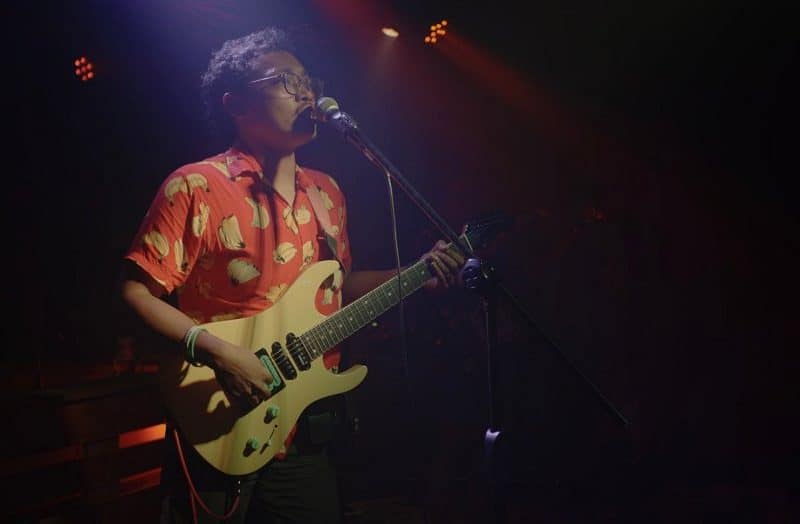
Mikey and Corm’s sober song
Cormac Culkeen and Michael Cloud Duguay share a deep musical bond that was “reshaped by recovery.” Here’s how quitting drinking brought them back to Peterborough — and back to their friendship.
Citing burnout, the creative minds behind Peterborough’s Theatre on King will take a final bow this spring
Ryan Kerr and Kate Story are resigning their roles at TTOK, but the black box theatre will continue under new leadership
